
By Janus Boye
Over the past few days I had the privilege of spending time with digital experience leaders in Vancouver, Toronto, and Montréal as part of our peer group meetings.
Across the three cities, one pattern appeared repeatedly: AI is not only changing tools, it is beginning to change how people discover and interact with digital content. It is also reshaping how buyers collaborate with digital agencies and how organisations measure and define successful digital experiences.
The conversations reflected themes increasingly common across the community: human-centred experiences, responsible AI, and growing interest in digital sovereignty. human-centred experiences, responsible AI, and growing interest in digital sovereignty. Leaders across industries are navigating a rapidly changing landscape where technology is evolving quickly and expectations around digital experiences continue to rise.
Curiosity and generosity characterised the discussions, and the sessions frequently spilled over into informal exchanges and wonderfully geeky tangents.
Below are a few moments that stood out across the three cities.
Vancouver: responsible AI, vendor growth and the content supply chain
The Vancouver gathering centred heavily on responsible AI and the leadership challenges surrounding rapid adoption. Given how much we have already discussed AI this year across our European and US groups, this was an unusual opening, but a very good one.
One particularly thoughtful discussion involved Ksenia Cheinman, who works with UX Research and Service Design at Fisheries and Oceans Canada, and Alka Tandan, a Service Design & Customer Intelligence Leader who alongside others reflected on the management pressure many leaders feel to adopt AI quickly. In several organisations the expectation to move fast is strong, even when leaders are still working through important questions about governance, risk, and responsible implementation.
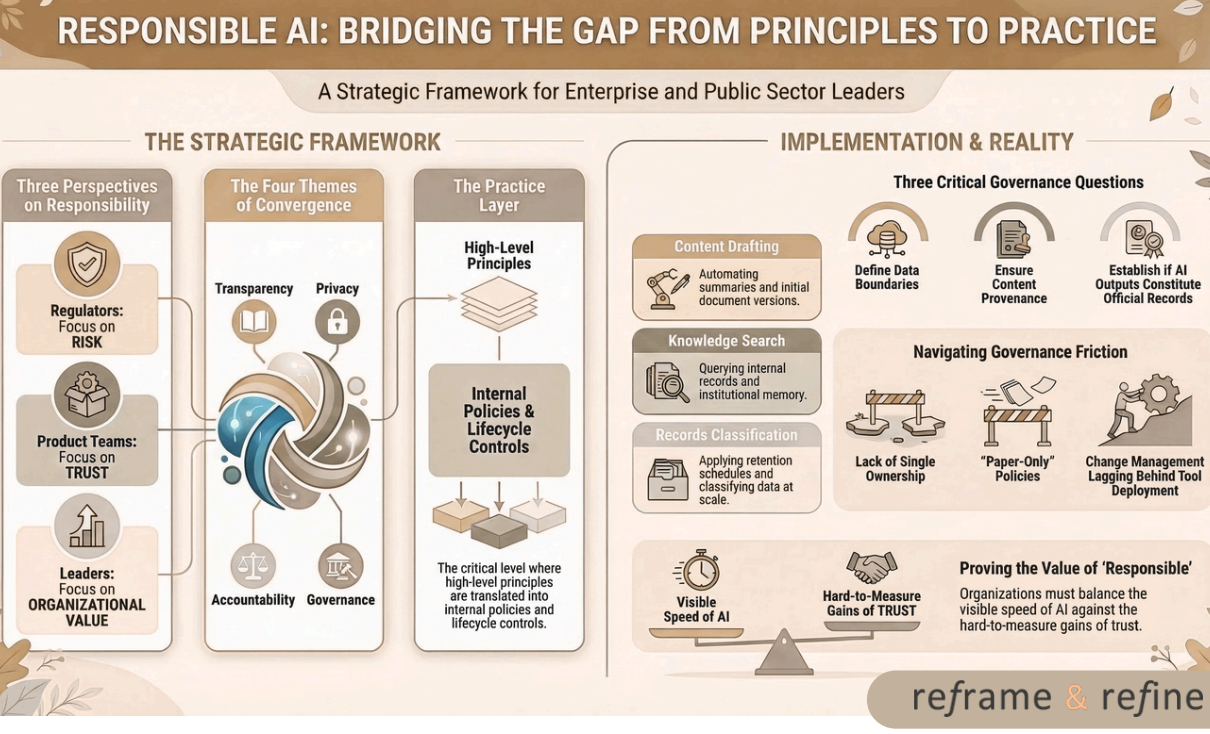
Responsible AI: an implementation-oriented overview by Alka Tandan
Another conversation explored developments in the content supply chain. An emerging term to describe the end-to-end business process of planning, creating, managing, producing, and distributing digital content to target audiences, similar to a physical supply chain.
For more on the Vancouver session, see a recap by Briana Sim: Honest Conversations About AI, Content, and Digital Leadership
Our members Jon Voigt from Agility CMS and Briana Sim from SimpliCity CMS shared perspectives on how content platforms are evolving. Both Canadian vendors are experiencing notable growth, reflecting a broader shift as organisations rethink how content is managed and delivered in an increasingly complex digital environment. Also worth noting is the growing momentum towards buying alternatives to US vendors.
There was also time for a classic community moment: geeking out with the explainer of complex things Morten Rand-Hendriksen from LinkedIn about platforms, tech criticism, and where AI may take us next.
Toronto: storytelling and ownership of the digital experience
A large part of the Toronto discussion centred on leadership and the role of storytelling in organisations.
A discussion led by Sean Stanleigh, Director of Globe Content Studio at The Global and Mail, explored storytelling not as a marketing tactic, but as a leadership capability. In complex organisations, the ability to frame change and communicate direction clearly is becoming increasingly important.
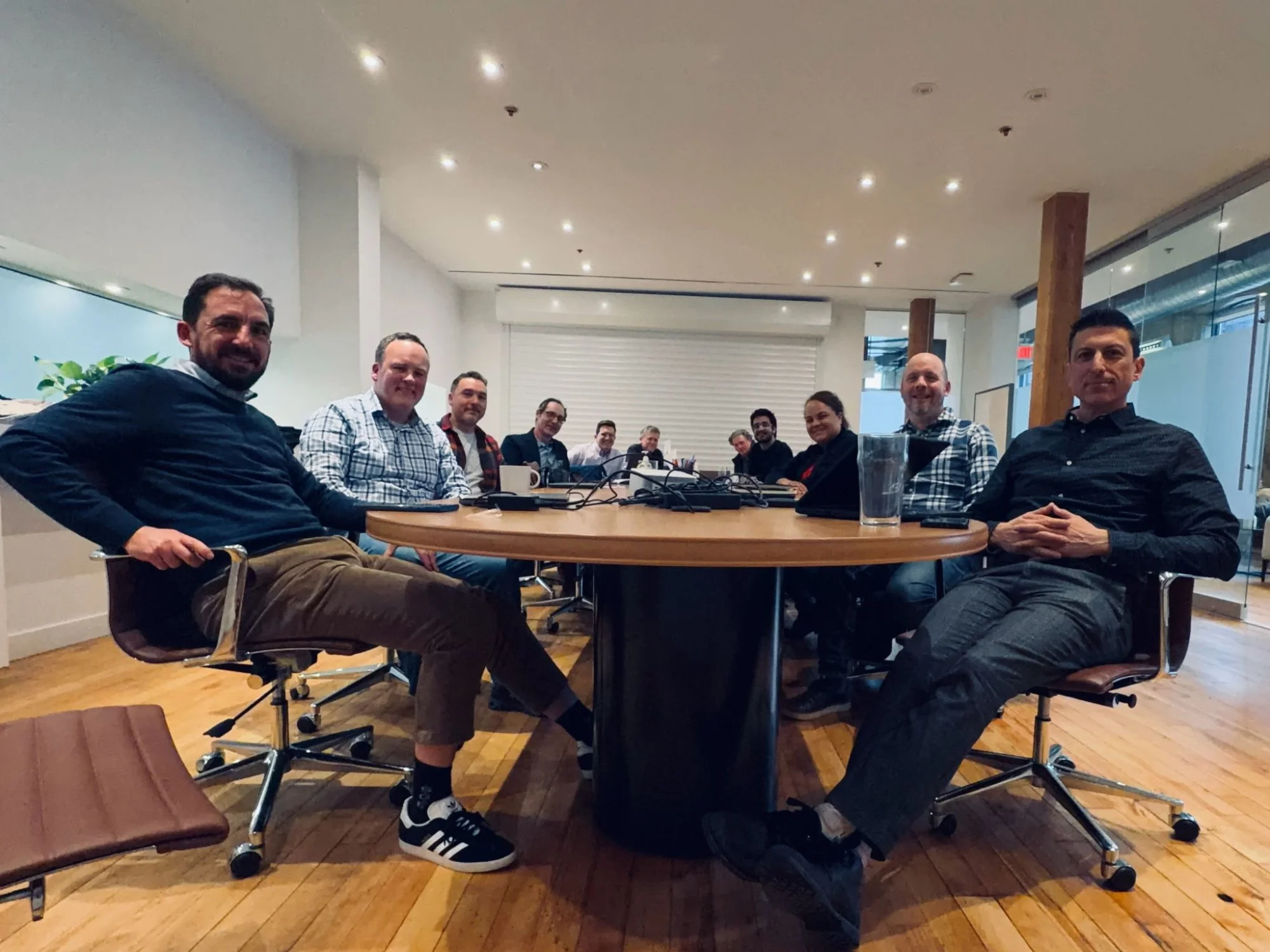
A packed room in Toronto
Participants also spoke openly about what could best be described as AI anxiety. Many organisations are moving quickly with experimentation and adoption, but questions remain about ownership and accountability. One recurring theme was a deceptively simple question: who really owns the digital experience now?
For more on the Toronto session, see recaps by
- Joel Varty on Storytelling, AI Anxiety, and Who Owns the Experience
- Matthew McQueeny on A Day with Digital Experience Leaders in Toronto
The group meeting was hosted by Ben Switzer and Andrew Baker at Havas CX Canada. Their perspectives on the evolving agency landscape were particularly interesting. Many organisations are reassessing what capabilities they keep in-house and where agencies provide the greatest value.
One additional theme was the question of which vendors are gaining momentum at the moment and what customers are increasingly asking for.
Montréal: designing in the age of agents
The Montréal conversations focused on the implications of AI for digital experiences and design.
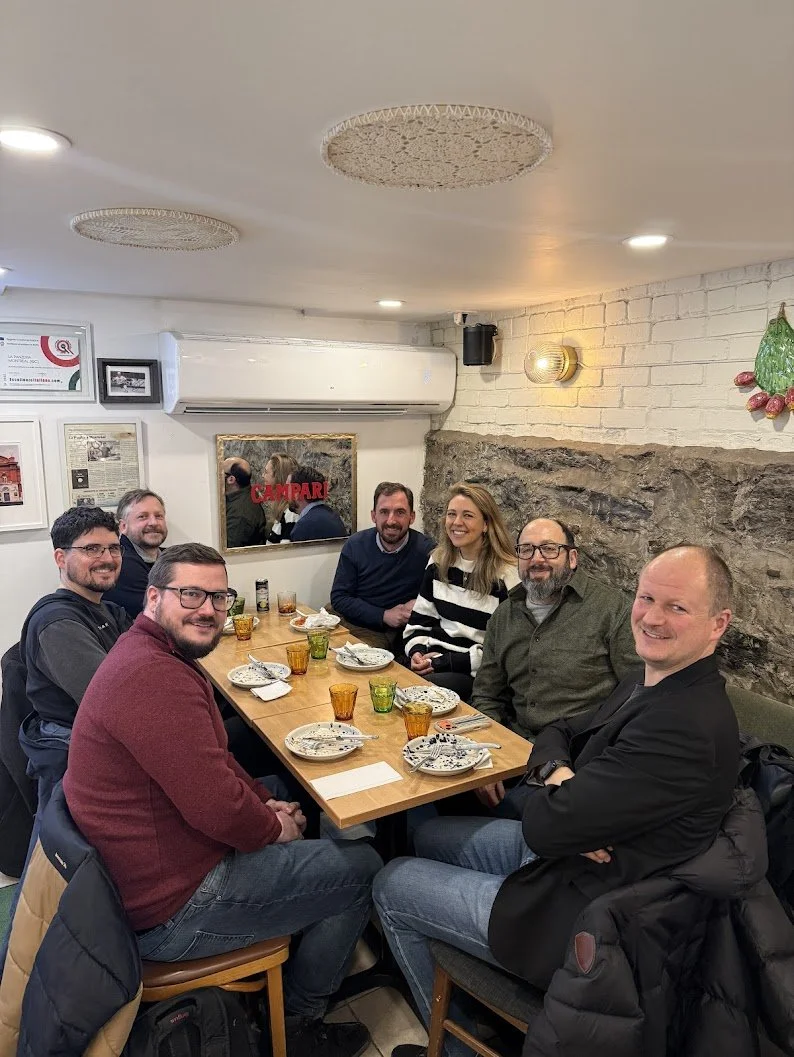
Good times at our informal lunch before the peer group meeting started
We plunged straight into open sharing about current challenges at CMHC and TELUS. Participants shared insights into the content pressures they face, layout challenges, and how AI is beginning to disrupt traditional website traffic patterns.
As more users turn to AI assistants and conversational interfaces for answers, organisations are beginning to see shifts in how people arrive at their digital content. This raises important questions about discoverability, content strategy, and how websites fit into a broader AI-mediated information ecosystem. Might we even need to create new roles on our digital teams and rebuild parts of our tech stacks?
In the break we made an impromptu visit to our members at the digital agency Evolving Web and heard more about their current work and progress. Maya Schaeffer from Evolving Web talked about her new role on the Drupal Association Board and shared her vision for community growth.
Another highlight was a session led by one of our newest Canadian members Andrew Boardman on designing in the age of agents. As conversational systems and autonomous technologies become more prevalent, design teams are beginning to rethink the nature of interfaces themselves. Experiences are no longer limited to screens; they increasingly involve dialogue, automation, and complex system interactions.
To help illustrate the shift, Andrew shared the following framing.
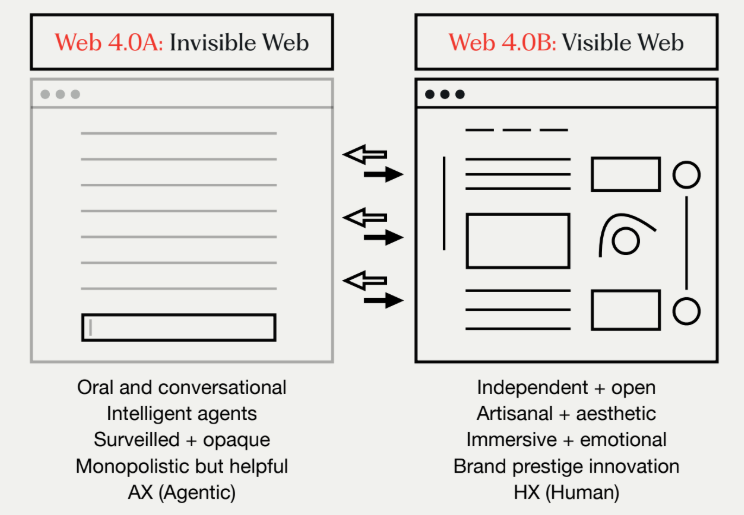
From Andrew Boardman’s interesting presentation design in the age of agents
The session ended with wide-ranging discussions about digital sovereignty and what it might realistically take for organisations and governments to maintain control over critical digital infrastructure.
The discussions continued well beyond the formal session in the charming, but very cold, Le Plateau part of Montréal.
Reflections from the visit
Across all three cities, a consistent theme emerged: organisations are navigating profound technological change while trying to preserve human-centred principles. Conversations like these are where emerging patterns become visible long before they appear in reports or vendor roadmaps.
Responsible AI, governance, content strategy, and experience ownership are no longer abstract topics. They are operational questions leaders are addressing right now.
The openness of the discussions was striking. Participants shared challenges, uncertainties, and emerging practices with a level of candour that makes peer learning particularly valuable.
Huge thanks go to Mark Demeny and Matthew McQueeny for travelling together during the visit, helping facilitate conversations, and co-leading the sessions.
Soon it will be time to head back to Aarhus, hopefully greeted by a little spring sunshine.
Weeks like this serve as a powerful reminder of how much we learn from each other when we take the time to come together.