
This is a past event.
Join us for CMS Summit 27
CMS Summit 26 conference program
Let’s make digital experiences better
The conference is tailored for digital leaders and features 2 packed days with a carefully curated mixture of talks, workshops, activities and world class facilitators, thought-provokers, speakers and session leads.
You can find slides linked below each presentation. Some are still missing and we’ll add them as soon as we get them.
Unlike many other conferences, this one was not about speakers talking endlessly about their own work. Rather than being talked at, this is for active participation and connecting with your peers with the goal to move things forward.
Program
Tuesday, May 12
9:00 - 9:30: Breakfast and registration
Join us early, get the conversation started, make some new friends and enjoy some freshly brewed coffee and tea.
9:30 - 9:45: Welcome & Opening
- Our host Janus Boye, Boye & Co
- Dr. Corinna Engel from Museum für Kommunikation Frankfurt
The Agentic Era —
an analyst perspective
9:45 - 10:15
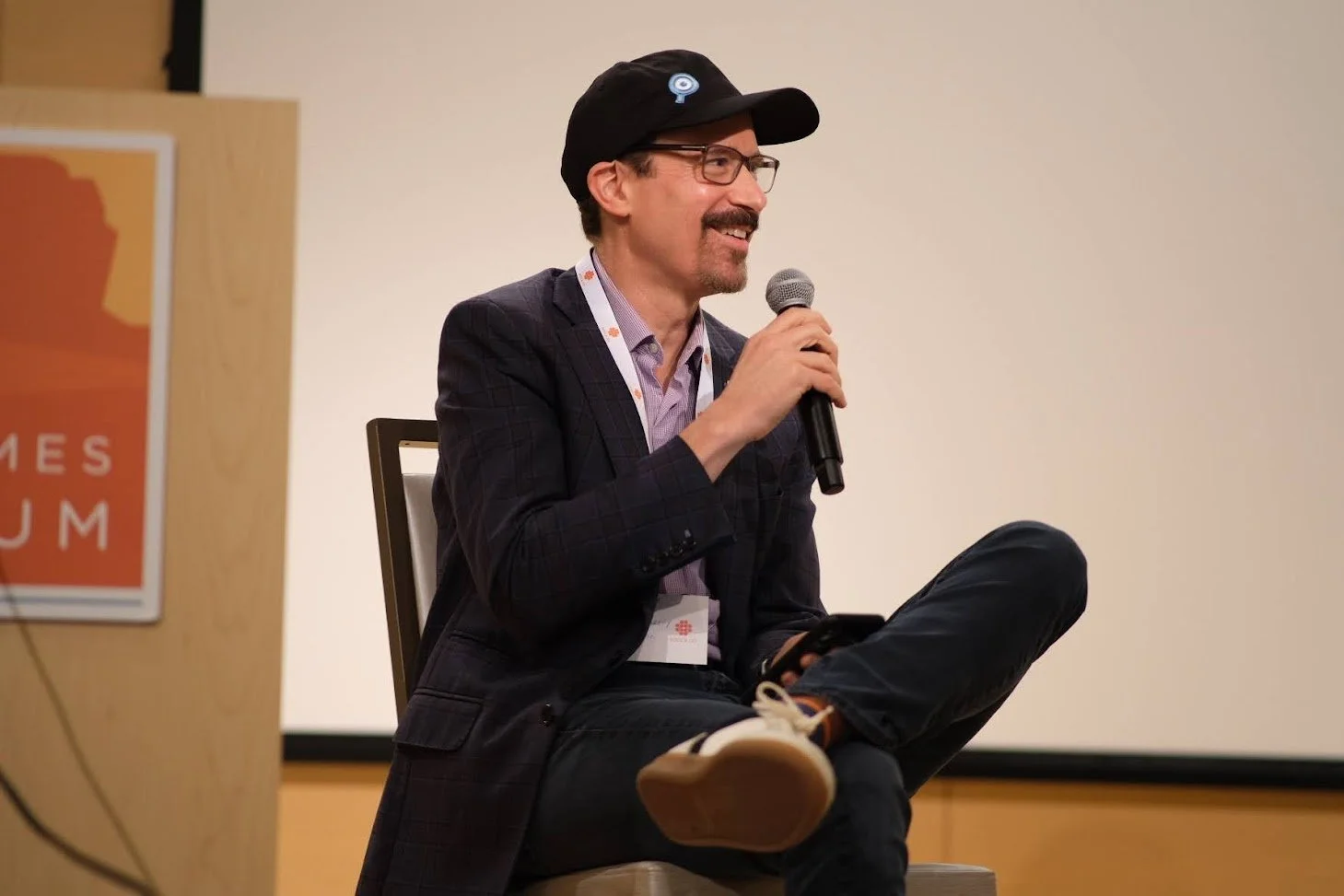
by Matt Garrepy (US)
Chief Critic
at CMS Critic
In 2025, CMS platforms shifted toward headless, AI-driven, and cloud-native architectures for omnichannel delivery. Traditional monoliths declined as composable and automation-focused systems dominated the market.
What lies ahead for 2026? Join this analyst update by Matt Garrepy and hear his take on what waits around the corner

The hidden work behind AI-ready content
10:15 - 10:40
by Kate Kenyon (UK)
Head of Content Design, Operations & Localization
at JPMorganChase
Making AI-ready content work at scale isn’t just about new tools—it’s about closing widening gaps in skills, structure, and operations. As content proliferates across channels and teams, many organisations have invested heavily in editorial and UX writing while underinvesting in the architecture, models, and processes that make content usable by both humans and machines. The result: more copy in more places, but not enough context, structure, or governance to support AI or scale efficiently.
In this session, Kate explores why teams are skewed toward creation over management, and how this imbalance shows up when AI enters the picture. The talk gets practical about what it takes to make content reliable, reusable, and queryable across web, app, email, push, SMS, and legal—often with lean teams operating one CMS for millions of customers. Expect candid examples of restructuring content for scale, aligning AI and multiple platforms around shared content, and the tools needed to keep content accurate and useful.
She will give honest reflections on what’s working, what isn’t, and what organisations consistently underestimate. The goal is to give anyone navigating AI and content scale a clearer picture of the structures, roles, and operational discipline it takes to make content perform across channels—and for AI.

The Hidden Scaling Risk: When the Human Layer Becomes the Bottleneck
10:40 - 11:00
by Florian Keitgen (DE)
Head of Product Development
at b13
As organisations grow, their biggest risks often do not lie in technology, but in the human layer: in unclear ownership, invisible contributions, and communication that no longer works reliably across teams, vendors, and platforms.
In environments where many stakeholders need to deliver together, this becomes tangible in slower time to market, inconsistent customer experiences, duplicated work, and increasingly fragile collaboration.
This session uses open-source communities not as an ideal model, but as a lens. They make especially visible what happens when collaboration depends on informal authority, personal status, recognition, and communication. That is exactly why they are useful for organisations: they expose the human dynamics that often weaken performance long before technology does.
Expect practical perspectives on how to create clearer ownership, make critical contributions visible, and design communication patterns that remain effective as complexity grows. Because when many teams need to deliver together, the human layer is not a soft topic. It is a core part of organisational performance.
11.00 - 11:30 Coffee & networking

Running a global content platform: lessons from the real world
11:30 - 11:50
by Stine Ferse (DE)
Director Digital Platform Delivery
at DHL
Making a CMS work at scale in a large, complex, global organisation is not just a technology challenge. It quickly becomes a question of governance, alignment, and operational discipline across teams, markets, and business units.
In this session, Stine shares practical lessons from operating a global content platform in a large organisation. Drawing on real experiences from a recent project, she will highlight what worked, what proved more difficult than expected, and what organisations often underestimate when scaling across regions and business units.
The talk explores what it takes to keep a global platform aligned and operational: governance structures, cross–business unit collaboration, and clear agreements around security, data protection, service levels, and the integration of functional tools across the ecosystem.
Expect honest reflections and practical lessons from the realities of running a global platform. Stine will share what worked, what did not, and what she would approach differently today. The aim is to give others navigating similar complexity a clearer picture of what it actually takes to make a CMS work at global scale.

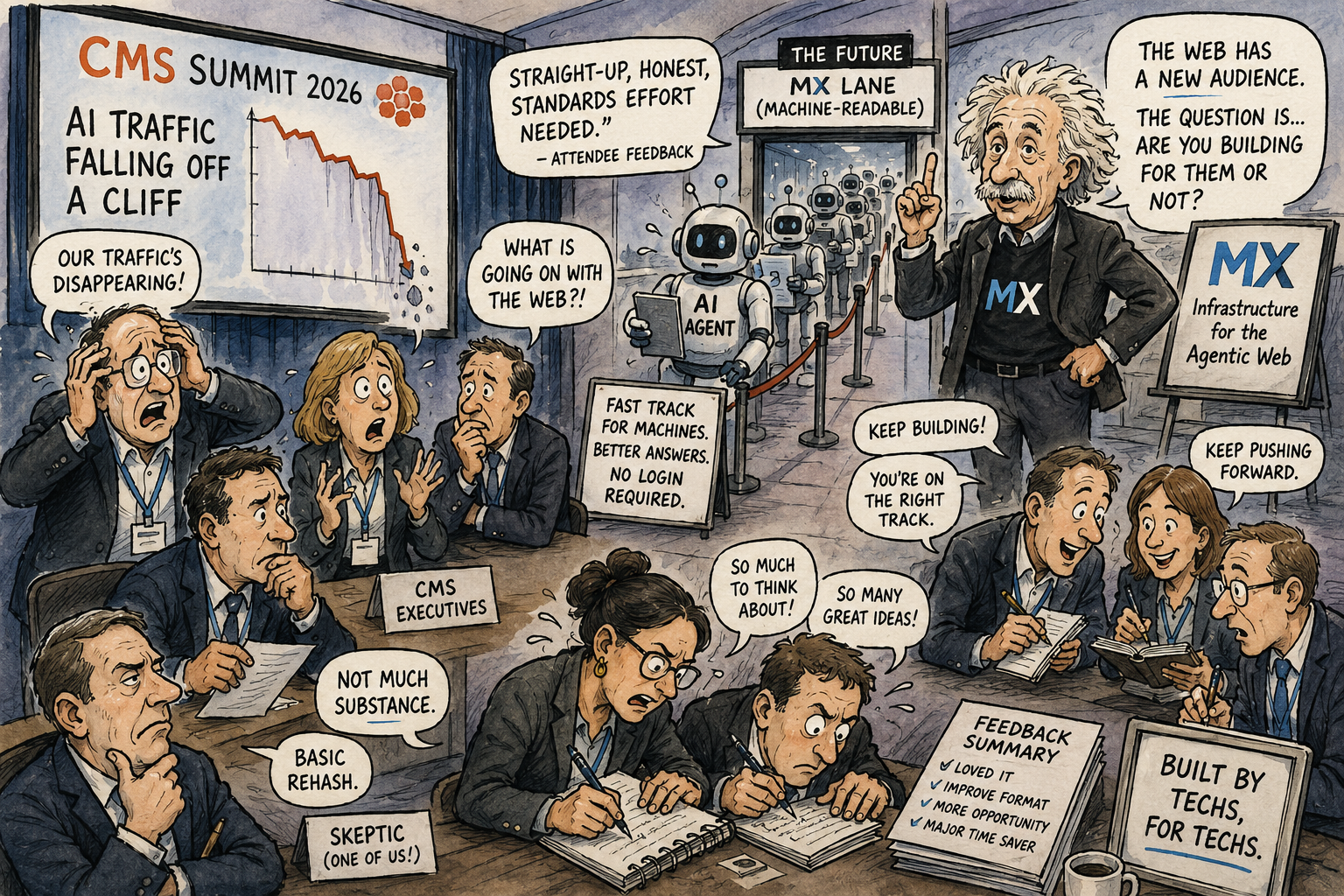
The Web Has a
New Audience
11:50 - 12:10
by Tom Cranstoun (UK)
The MX Guy
The below summary was created based on the feedback from the session using Chat GPT

The Internet Talks Back
12.10 - 12.30
by Liz Nelson (IE)
Vice President of Product and Technology
at Sitecore
Large language models are the internet, compressed, talking back to you.
A demystification of large language models for marketers and CMS practitioners, minus the hype, minus the panic, with a framework for the work that survives compression.
12:30 - 13.30 Lunch
13:30 - 14.30 Roundtables
Come join 2 x 25 minutes of informal roundtable discussions to get answers on your specific questions or help others by sharing your expert knowledge.
Each table has no more than 10 attendees and is assigned a specific topic and moderator.
First come first served: you don’t get to see who’s at the table until you get there.
After the initial 25 minutes are up, you get to pick another table for the next 25 minutes of discussion.
Tables:
AEO and GEO with Matt McQueeny
AI agents with Nicole Rogers
Content design with Kate Kenyon
Digital accessibility in ‘26 with Antonia Fedder
Digital sovereignty with Jeffrey A. "jam" McGuire
EU AI Act, Cyber Resilience Act and other good stuff. What does it mean for us? with Laura Delnevo
Harness marketing with Liz Nelson
Machine experience with Tom Cranstoun
The new agency model with Chad Solomonson
14:30 - 15:00 Coffee & networking
The End of Platform Lock-In? Vibe Coding, MCP, and What Agencies Must Become
15:00 - 15:30
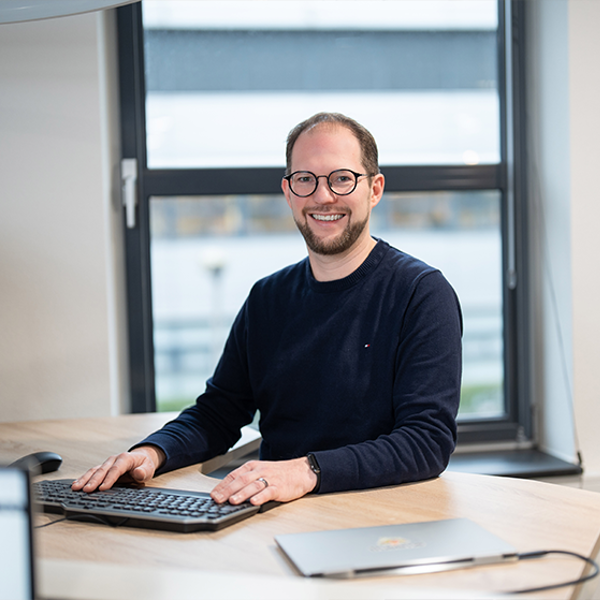
by Jeroen Fürst (NL)
Architect
at TrueLime
For years, platform lock-in has shaped how digital teams work, who they rely on, and how decisions get made. That assumption is starting to break.
Vibe coding allows developers to express intent while AI generates implementation. At the same time, standards like Model Context Protocol (MCP) are making platforms accessible to AI agents, not just humans. The promise is clear: easier movement between systems, less dependence on specific vendors, and a very different competitive landscape.
The shift is not just faster delivery. When components, integrations, and migrations can be generated on demand, platform-specific expertise stops being the main differentiator. The traditional agency model starts to erode.
What becomes critical is everything around the build. Content models, governance, stakeholder alignment, and platform judgment now determine whether systems hold together or fall apart. Teams that focus only on speed risk creating more fragmentation, not less.
This session maps what actually changes across how things are built, how platforms connect, and where human expertise still matters. Drawing on real migration and replatforming work, it shows where AI accelerates delivery, where it introduces friction, and where assumptions break.
You will leave with a clear view of which capabilities are losing value, which are becoming critical, and a set of practical questions to assess your own delivery model.
Build Smarter, Ship Faster: The AI-Composable Roadmap
15:30 - 16:00
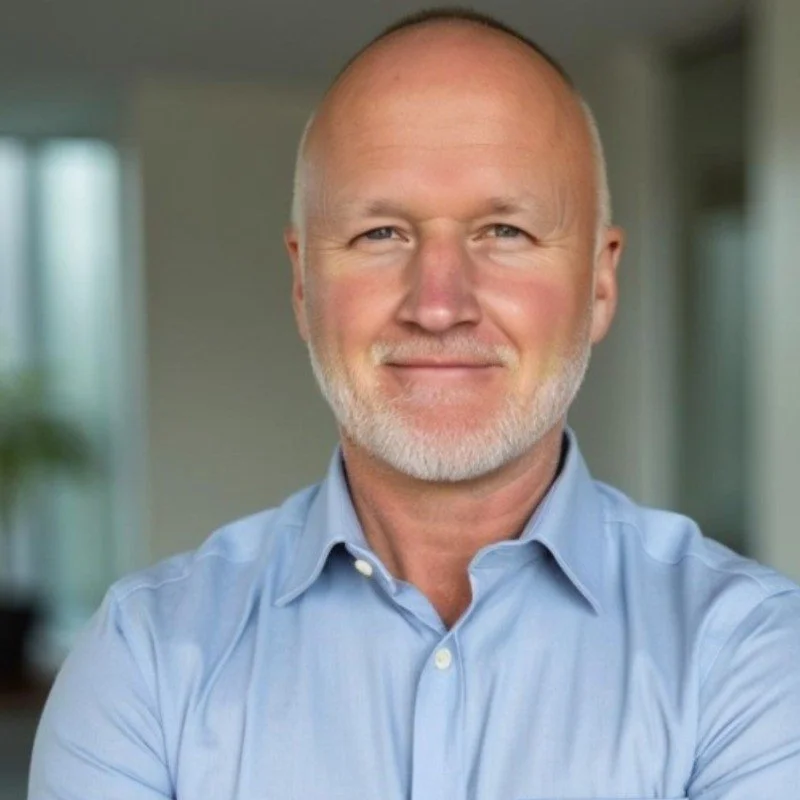
by Chad Solomonson (US)
Chief Customer Officer
at RDA
AI is reshaping how digital teams plan, build, and deliver. The real advantage isn’t just in adopting new tools — it’s in connecting them. When AI is embedded into a composable architecture, strategy and execution finally move at the same pace.
In this session, Chad Solomonsen explores how to design an AI-powered roadmap that accelerates value instead of adding complexity. He’ll show how to:
Attach AI at the experience layer where it drives real outcomes
Stream and govern data safely from core systems
Reuse modular components across teams and channels
Deliver measurable improvements in weeks, not years
Drawing on real implementations and lessons from leading enterprise teams, Chad reveals what it takes to turn composable vision into everyday execution — building smarter and shipping faster with AI at the center.

Where digital bias hides: configuration, content, and communication
16:00 - 16:30
by Antonia Fedder (DE)
Designer for impact-driven brands
Every setup, content model, and workflow carries assumptions about who your users are. Most of these assumptions are never made explicit. They emerge quietly through configuration choices, content decisions, and the way we communicate.
This session explores where digital bias hides in three critical layers: configuration, content, and communication. From platform choices and AI-assisted tools to editorial workflows and messaging, we will uncover how everyday decisions shape who your digital experience works for and who gets left out.
Bias does not stay hidden. It reaches every person who interacts with your product and your content, with real consequences for users, teams, and organisations.
Through practical examples across configuration, content strategy, and communication design, you will learn how to spot these hidden assumptions and understand their impact.
You will leave with a clear, practical framework and a set of questions you can apply immediately in your next project, helping you create more inclusive, effective, and trustworthy digital experiences.
16:30 - 17:00 Coffee & networking
17:00 - 18:00 European CMS Idol 2026
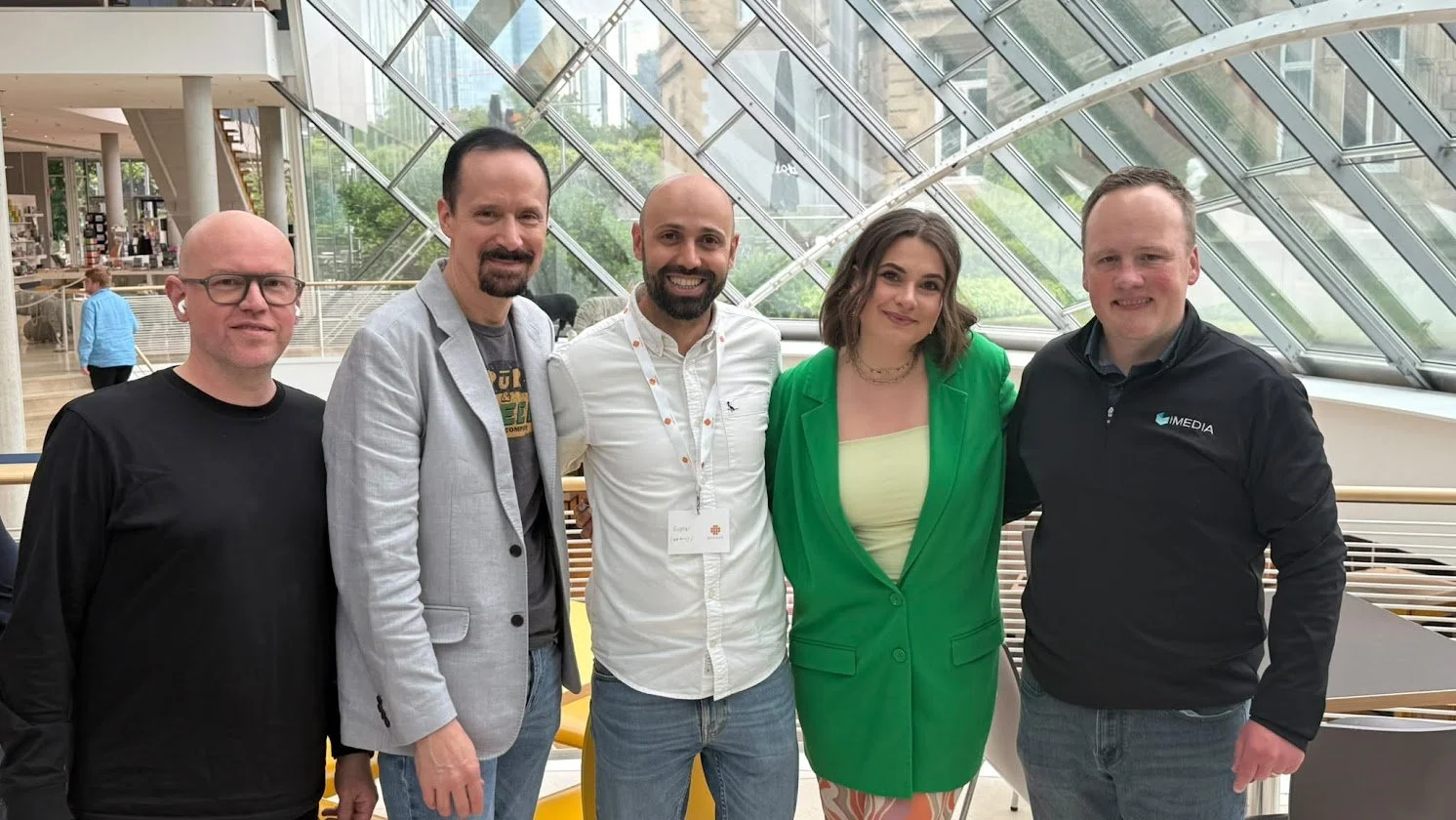
A very happy Webiny founder and CEO Sven Al Hamad; surrounded by CMS Idol 26 host and judges Markus Schork, Matt Garrepy, Antonia Fedder and Matt McQueeny
Help crown the next (and first) “2026 CMS Idol”! In this fast-paced, entertaining competition, contestants will have 6 minutes to showcase their system and try to win your vote.
If you like short demos, pithy commentary, and expert analyses, then look no further. This is the session for you. You'll hear thoughts from an expert panel of judges, but it's up to you to decide the winner.
Host: Matt Garrepy, CMS Critic
18:30 - 22:00 Social event
Join us for an informal networking dinner. Everyone is welcome!
We’ll also announce the CMS Idol winner and even do a CMS Experts Quiz!
Venue: Apfelweinwirtschaft Frau Rauscher, Klappergasse 8
Wednesday, May 13
7:00 Morning Run
We meet in front of the Kommunikation Museum for a relaxed 25 minute run. We’ll run to along the famous river and see the famous skyline
9:00 - 9:30 Breakfast and networking
Join us early, get the conversation started, reflect on what you’ve already learned and enjoy some freshly brewed coffee and tea.
9:30 - 9:45: Morning welcome
A brief opening by
- Our host Janus Boye, Boye & Co

How AI is Reshaping Discovery, Websites, and Personalization
9:45- 10:05
by Nicole Rogers (US)
CMO and Co-founder
at ai12z
AI is changing how people search and how brands are discovered. Instead of browsing a list of links, people are asking questions and getting answers from tools like ChatGPT, Claude, and Google AI Overviews. This creates new opportunities and new challenges around visibility.
At the same time, the way people interact with websites is changing. They expect conversational, real-time experiences that go beyond static pages.
To adapt, brands need to improve how they show up in AI (AEO, GEO, AIO). They also need to deliver more dynamic, conversational interactions through AI-powered search and digital assistants that guide users, personalize content, and drive action.

Precious Users – Turning Fewer Clicks into Higher Conversions
10:05- 10:25
by Søren Schaffstein (DE)
Managing partner
at dkd
AI-generated answers are changing how people discover and consume information. Increasingly, search journeys end before a website visit ever happens.
That changes the role of the click itself.
The people who still arrive often come with clearer intent, higher expectations, and less patience. Success is no longer just about driving traffic, but about understanding intent, reducing friction, and increasing the value of each interaction.
This session explores how organisations are adapting content, search, and personalisation strategies for a world where AI intermediates more of the customer journey.
Using practical examples and emerging patterns, the session shows what changes when traffic decreases but expectations rise.
You will leave with:
a practical framework for thinking about high-intent visits
concrete ways to improve conversion and engagement with lower-volume traffic
questions to evaluate whether your current experience fits AI-driven discovery patterns
ideas you can apply immediately across content, UX, and optimisation work

Beyond Burnout and Buyouts: A Third Way for Open Source CMS
10:25 - 10.45
by Jeffrey A. "jam" McGuire (DE)
Partner
at Open Strategy Partners
Open source built the modern web. But the funding model that built it is breaking. Contribution is at historic lows, the EU Cyber Resilience Act is about to make every implementer legally liable, and the most "successful" open source exits of the last decade ended in private-equity extraction. Volunteerism and venture-backed open source are both running out of road. jam makes the case that a third way is emerging: community-owned commercial stewardship. One major open source CMS is going first.
What you'll take away:
What the EU Cyber Resilience Act actually does to your business
Why community-owned and venture-owned open source are about to diverge fast
A working model for funding the commons without selling it
10:45 - 11:15 Coffee & networking
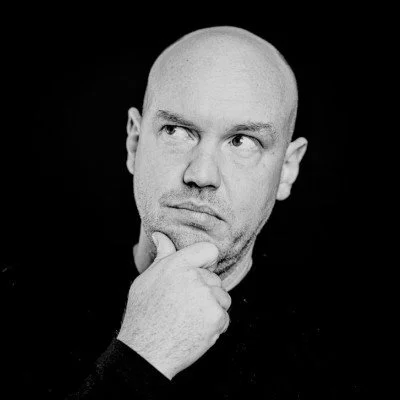
WYMIWYG: What You Model Is What You Get
11:15 - 11:50
by Markus Schork (UK)
Director of Technology Solutions
at Codal
Why is editing a website still so hard? Decades into the CMS era, simple content changes still regularly require training, tickets, or developer support. The problem often has less to do with the platform itself, and more to do with the content model behind it.
This session walks through common modelling patterns, from highly flexible page builders to fully semantic structures, and shows how each approach shapes the daily reality of the people working inside the system. You will see why frontend components should not dictate content structures, why many CMS fields are only ever changed once, and how the pursuit of flexibility often turns into a flexibility trap: systems that promise freedom, but create complexity, inconsistency, and dependence on developers.
The session also explores what changes when organisations start treating design systems and content models as long-term infrastructure rather than project deliverables. Through real examples and practical modelling scenarios, you will see how stronger structures can improve authoring, governance, reuse, and adaptability across channels.
You will leave with a clearer way to evaluate modelling decisions, a practical lens for spotting the flexibility trap early, and a set of principles you can apply immediately in your own projects.

The real story behind AI in content editing
11:50 - 12:30
by Ondrej Chrastina (CZ)
Developer Advocate
at CKEditor
AI is rapidly finding its way into content workflows, but the reality inside enterprise environments is far more uneven than the hype suggests. Many organisations are experimenting with “bring your own AI” approaches, only to end up with fragmented workflows that lack context, governance, and connection to real business needs.
In this session, Ondřej shares insights from recent discovery work and conversations with enterprise teams to paint a more honest picture of where AI in content editing stands today. What is actually being used? Where does it deliver value? And where does it quietly fall short?
Rather than presenting a polished vision of the future, this session reflects on real-world experiences across organisations navigating AI in their editorial workflows. Together, we will explore what it takes to move from isolated AI experiments to something that genuinely supports editors, content teams, and the broader content ecosystem.
Expect a candid, experience-based perspective on where AI helps, where it creates friction, and what organisations need to get right before it can scale.
12:30 - 13:30 Lunch

From Backlog to Boardroom: Fewer Clicks, Higher Stakes
13:30 - 14:00
by Matt McQueeny (US)
VP, Growth at
iMedia
In January at the CMS Kickoff 26 in Florida, Matthew McQueeny introduced a simple but powerful idea: in the age of answer engines, thought leadership and community become strategic advantages.
Just a few months later, that idea has been tested across Silicon Valley, Toronto, Las Vegas, and New York, through conversations with leading platforms, practitioners, and organizations across the CMS ecosystem. What has emerged is clear: AI visibility is already reshaping how organizations are discovered, evaluated, and trusted.
What first appeared as a marketing or technical issue has quickly become a boardroom conversation, with direct implications for traffic, revenue, customer acquisition, and competitive positioning. At the same time, Generative Engine Optimization (GEO) and Answer Engine Optimization (AEO) are creating some of the most important new business conversations the industry has seen in years, opening doors with both existing customers and entirely new prospects.
In this closing keynote, Matthew shares what we now know about AI visibility in 2026: why citations may matter more than clicks, why firsthand expertise is becoming a defining signal of trust, and why the CMS and digital experience community is uniquely positioned to lead in this next phase of the web.
As AI changes how answers are created and delivered, the opportunity is not simply to adapt. It is to build more trusted brands, stronger communities, and more valuable digital experiences.
AI may change how answers are delivered, but this community has the opportunity to shape what the next web becomes.
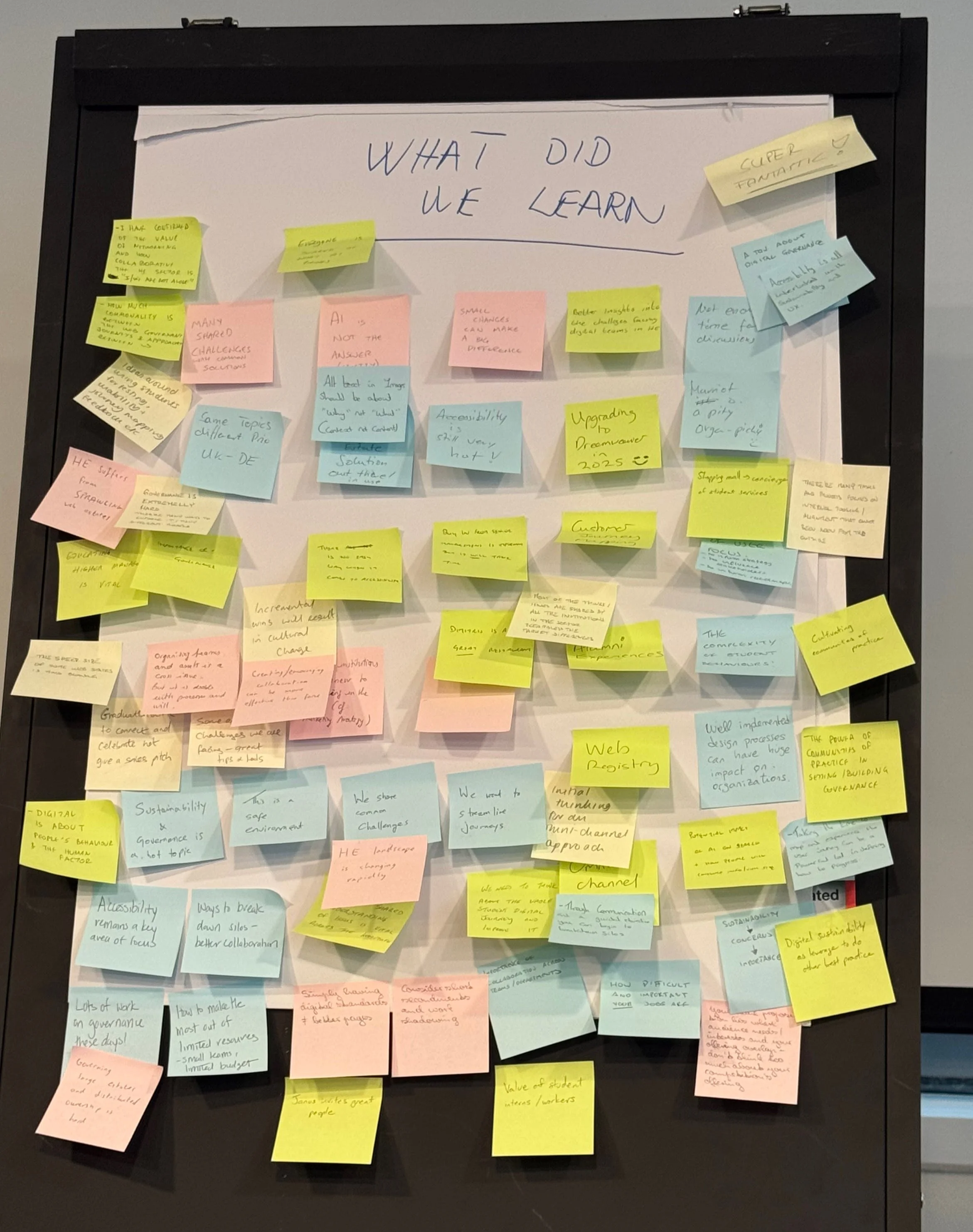
What’s ahead of us?
14:00 - 14:45
Led by Janus Boye (DK)
Conference chair
A brief interactive wrap-up of the two days. Join us for key lessons learned, big questions for 2026, perhaps a few answers and what happens next.
14.45 - 15:00 Goodbyes and see you next year!
Thanks for joining us. Continue the conversation over a cup of coffee or tea before leaving Frankfurt