
By Janus Boye
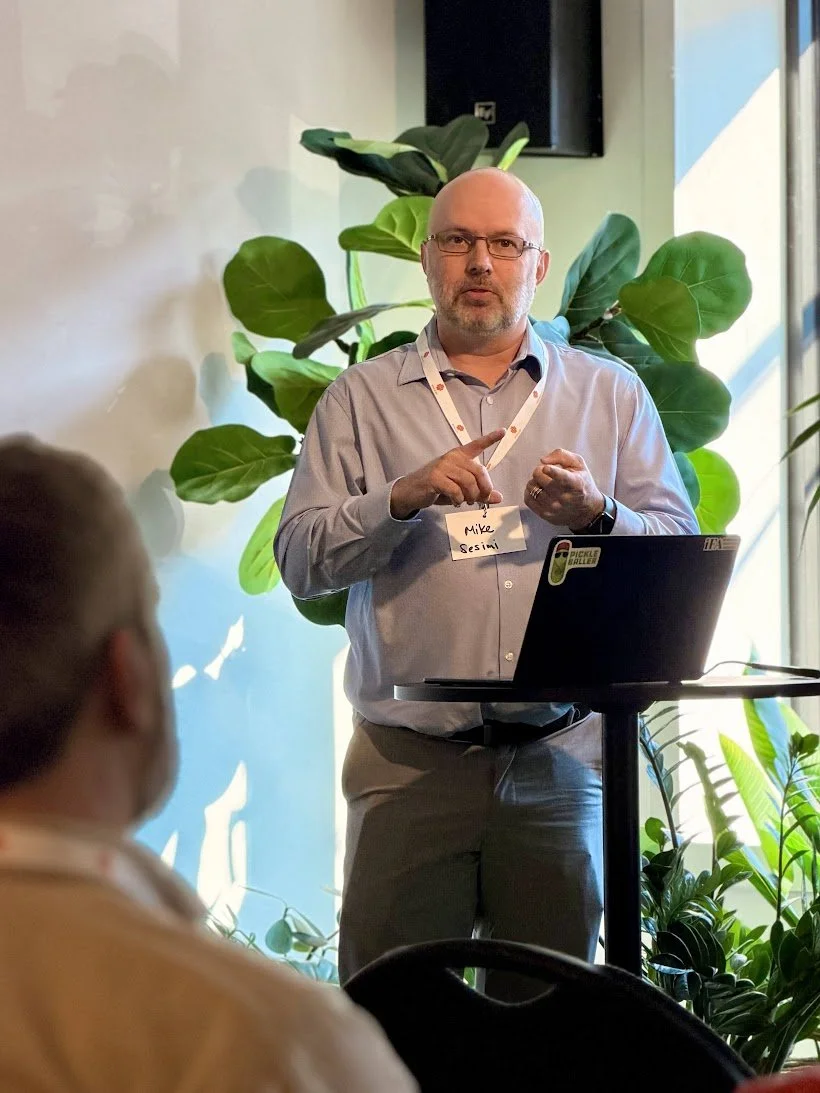
Michael from Sesimi engaging with the conference participants for his winning live demo at CMS Connect 26
Creating content is only part of the challenge. The harder part for many organisations is turning content, data and assets into the banners, advertisements and videos needed across a distributed network, without losing control of the brand along the way.
At CMS Connect 26 in Montréal last month, this last-mile tension became the basis of the winning CMS Idol demonstration.
The winner was Sesimi, an Australian platform for brand management and content automation making its first appearance at the conference. Michael Thompson had six minutes, a working product and no slides to hide behind.
Using the specific example of a car dealer, Michael showed how Sesimi could turn approved content, assets and templates into material for a distributed dealer network while maintaining central brand control. His storytelling made the demonstration easy to follow and connected the product capabilities to a clear organisational tension: local teams need speed and flexibility, while central teams remain responsible for brand consistency and control.
The last mile remains difficult
Earlier that day, Michael had introduced the idea of the last mile of content in his session, Where governed content breaks down: Closing the gap between stack and storefront. Organisations may already have the content, data and digital assets they need, yet still struggle to get them into the hands of the people responsible for local execution.
A central brand or marketing function may define the identity, approve the assets and establish the rules. The actual material, however, must often be produced and adapted by local offices, dealers, branches or partners.
These teams need enough flexibility to respond to their own circumstances. The organisation still needs consistency, accuracy and control. If every local variation must pass through a central team, delivery becomes slow. If everyone is free to create their own material, the brand quickly becomes fragmented.
More content does not resolve this tension. In many cases, it makes the underlying operating problem harder to manage.
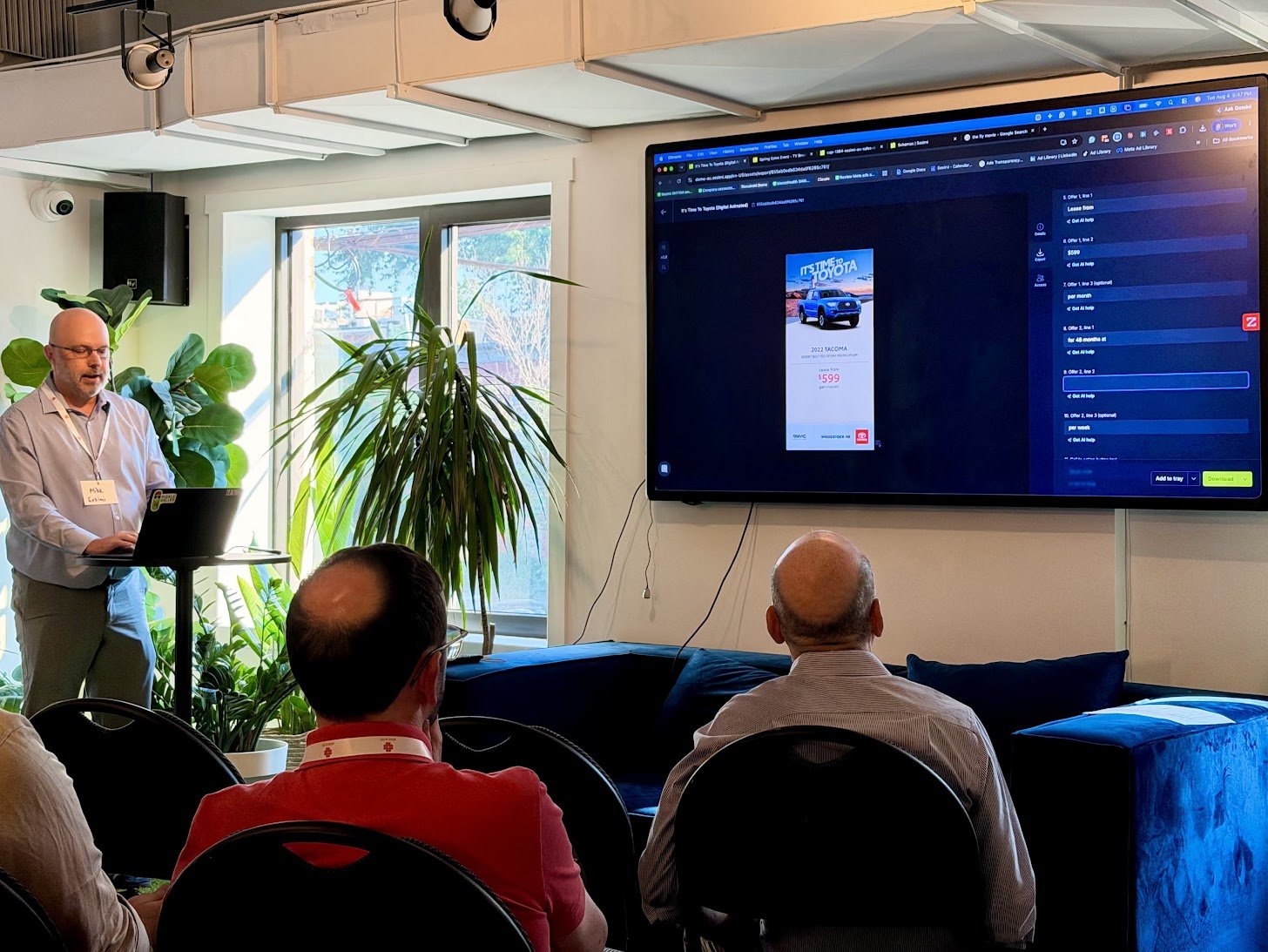
The art of the live demo: Michael from Sesimi showed a simple solution to a real problem using a car dealer example
Six minutes without somewhere to hide
CMS Idol is built around a simple constraint. Each contestant has six minutes to demonstrate a working product before the judges and a room of experienced digital practitioners.
This is quite different from the lengthy customer demonstrations normally conducted behind closed doors. There is little time to establish the problem, explain the context or recover when something goes wrong. The presenter must make the value clear while simultaneously operating the product under pressure.
Clearly, Michael knows enterprise software demonstrations well and understands the space. Before joining Sesimi, he held various sales roles at Altudo, Bridgeline, Sitecore and Optimizely. Even with that experience, presenting a complex product story live in six minutes to a room full of digital leaders requires a different kind of preparation and discipline.
This year’s judging panel brought together Joyce Peralta from McGill University, Mark Demeny from OpenText and our North American peer group leader Matthew McQueeny. The winner, however, was decided by a vote among the conference participants.
At CMS Connect 26, Sesimi was joined by Agility CMS, ai12z, Kajoo.ai and TYPO3. The range of demonstrations made for a useful contrast. Joel Varty showed an AI agent inside Agility CMS building a page from an unstructured prompt, previewing the result and creating and deploying a new component. Olivier Dobberkau demonstrated an alternative search for TYPO3 that allowed users to query a website through a large language model without adding another database.
Alongside these technically ambitious demonstrations, Sesimi took a more focused route. Rather than foregrounding technical breadth, it followed one workflow from centrally governed content and assets to material that a local dealer could use.
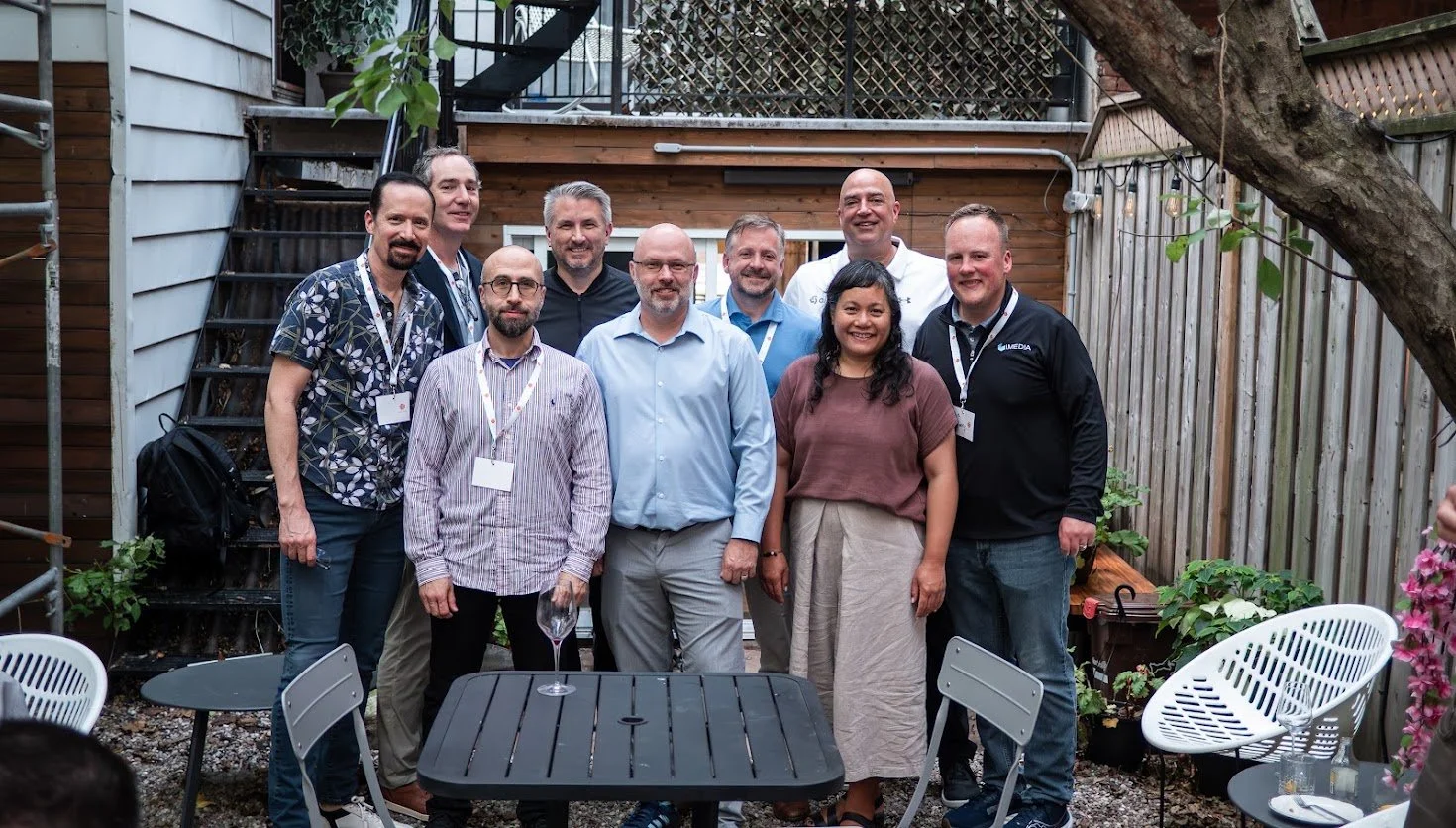
The contestants and judges from the CMS Idol live demo competition at CMS Connect 26 in Montréal
Connecting assets with local execution
The car dealer example gave the Sesimi demonstration a clear organisational setting. A dealer needs promotional material adapted to particular vehicles, offers, formats and channels. At the same time, the manufacturer or central marketing team needs confidence that the correct assets and brand requirements are being used.
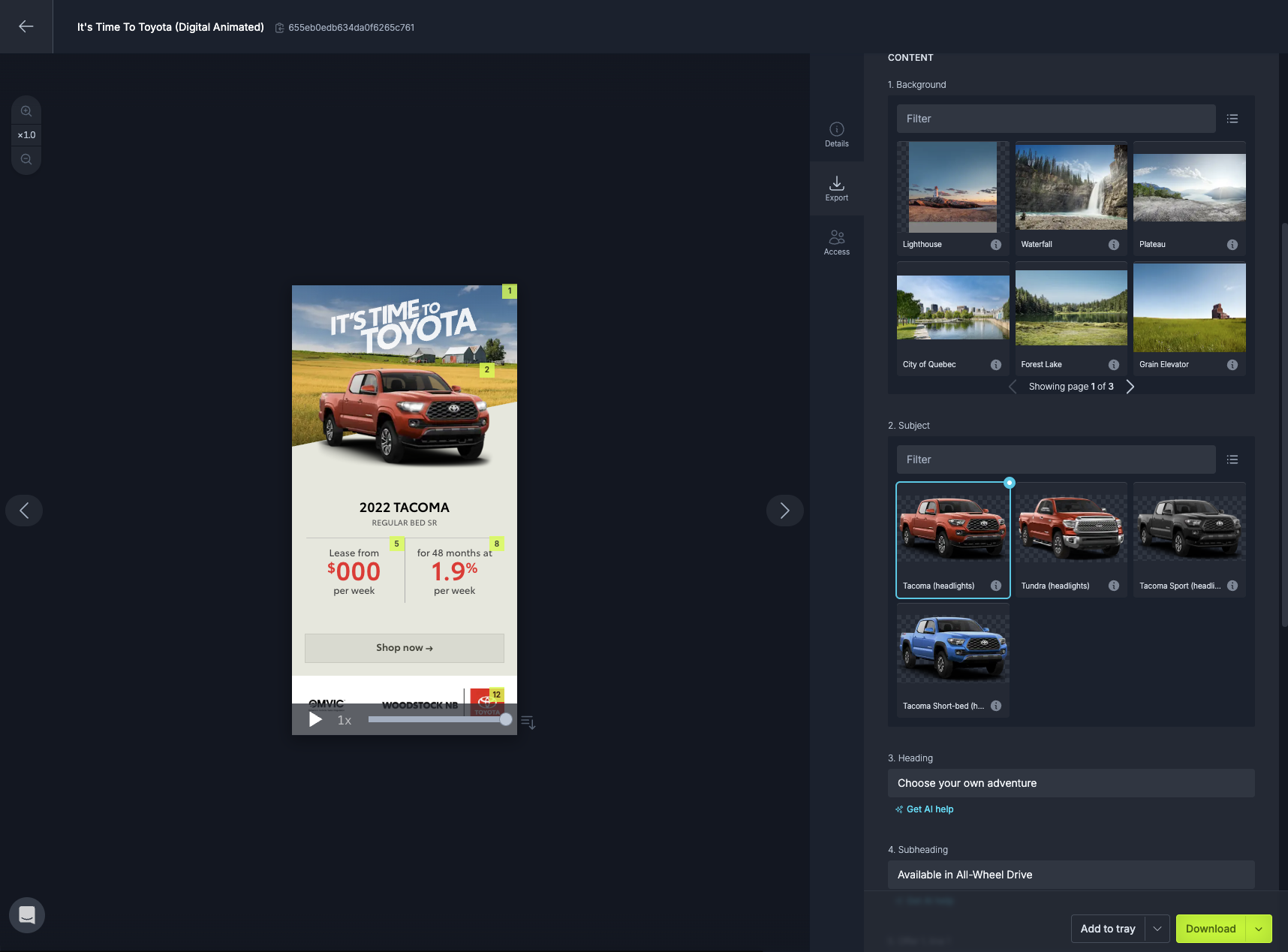
Screenshot from Sesimi: Local dealers could select approved backgrounds and vehicles and adapt campaign content within a centrally governed template.
In the demonstration, a dealer could work within an approved animated campaign template, selecting from governed backgrounds and vehicle images before adapting the heading, subheading and offer details. The finished material could then be exported without asking a designer to rebuild it each time. Local flexibility existed within defined boundaries. Dealers could change what needed to change, while the underlying design, approved assets and brand requirements remained under central control. Governance was embedded in the production process rather than left to a brand manual or a final approval step.
The demonstration also exposed a gap between systems of record and local execution. A CMS, DAM or PIM can govern source content and assets without making it easy for a dealer to create a usable local campaign. Sesimi’s proposition is that governance should be embedded in the act of production rather than imposed afterwards. This is not only an argument about brand compliance. It is a design principle for distributed content operations.
Olivier Dobberkau, President of the TYPO3 Association and one of the other CMS Idol contestants, described the Sesimi demonstration like this in his notes from CMS Connect 26:
“Sesimi won with a demo generating banners, social media ads, and video for a car dealer. It was impressive, and a reminder of how fast people are innovating right now.”
AI does not have to do everything
AI shaped much of the wider conversation in Montréal. Participants discussed agentic workflows, organisational memory, governance and the growing pressure to make content usable by machines as well as people.
The Sesimi demonstration provided a useful counterpoint. Michael did not present AI as a substitute for the templates, approved assets and governance needed to manage the last mile. As he said during the conference:
“AI is awesome, but it doesn’t have to do everything.”
This matters when organisations are reviewing their content operations. The immediate temptation is often to begin with what a new technology can generate. The more useful starting point may be to examine where work becomes disconnected, where responsibility changes hands and where existing content and assets fail to reach the people who need them.
Some of these problems require better automation. Others require clearer templates, stronger governance or a more reliable connection between central teams and local execution. The technology should follow the organisational problem rather than define it.
A good live demonstration makes the problem visible
Live demonstrations have been a central part of our conferences for more than a decade. They create a different conversation from presentations built around slides, roadmaps and promises.
A good demonstration shows more than whether a feature works. It reveals whether the people behind the product understand the work their customers are trying to do. It also makes trade-offs visible: where flexibility is allowed, where control is maintained and how the system behaves when the presenter is under pressure.
Previous CMS Idol winners have often succeeded by focusing on work that organisations recognise immediately. Kontent.ai won at CMS Kickoff 26 earlier this year by addressing the difficult and repetitive work involved in content migration. Canadian Agility won in Montréal in 2025 with an ambitious demonstration of moving from an idea to working components using generative AI tools.
Sesimi was less familiar to many in the room than several of the other competitors, although it had already won the 2026 DXP CMS March Madness competition earlier in the year. That contest measured online community engagement. CMS Idol provided a different test: making a working product and its practical value clear in six minutes.
Sesimi arrived in Montréal for the first time and addressed a problem grounded in everyday organisational reality. Its win was a reminder that producing more content is only one part of the work. The value comes from getting the right material through the last mile without losing the control, context and consistency that made it useful in the first place.