Open Source CMS 26 Conference Program
A vendor-neutral conference for the open source CMS community
The conference is tailored for digital leaders from the global open source CMS community and features 2 packed days with a carefully curated mixture of talks, workshops, activities and world class facilitators, thought-provokers, speakers and session leads.
The conference will take place at Stadsklooster Utrecht, a former church turned cultural venue.
Unlike many other conferences, this one is not about speakers talking endlessly about their own work. Rather than being talked at, this is your conference for active participation and connecting with your peers with the goal to move things forward.
Please note that the below is a draft programme. Changes will happen.
Program
Tuesday, October 20
7:30 - 9:00 Utrecht morning coffee walk
Kick off the conference with a morning walk through Utrecht and join us for a cup of coffee at a charming cafe.
We meet at the conference venue: Stadsklooster Utrecht on Kanaalstraat 198
9:00 - 9:30 Breakfast and registration
Join us early, get the conversation started, make some new friends and enjoy some refreshments.
9:30 - 9:45 Welcome & opening
By our host Janus Boye, Boye & Co, who will also answer the question of why this room has never existed before and why it matters

Keynote:
The state of open source CMS
9:45 - 10:15
by Jeffrey A. "jam" McGuire (DE)
Partner at Open Strategy Partners
Join us for a vendor-neutral update on the Open source CMS landscape as we are heading towards 2027
More session details coming shortly.
10:15 - 10:40 The four big projects: State of Drupal, Joomla, TYPO3 and WordPress
A fast-paced rundown of where each project stands right now - roadmap highlights, recent releases, and what's coming next for Drupal, Joomla, TYPO3 and WordPress back to back in under half an hour.
Short presentations will be given by representatives from each open source community:

Alejandro Moreno Lopez (ES)
Director at Drupal
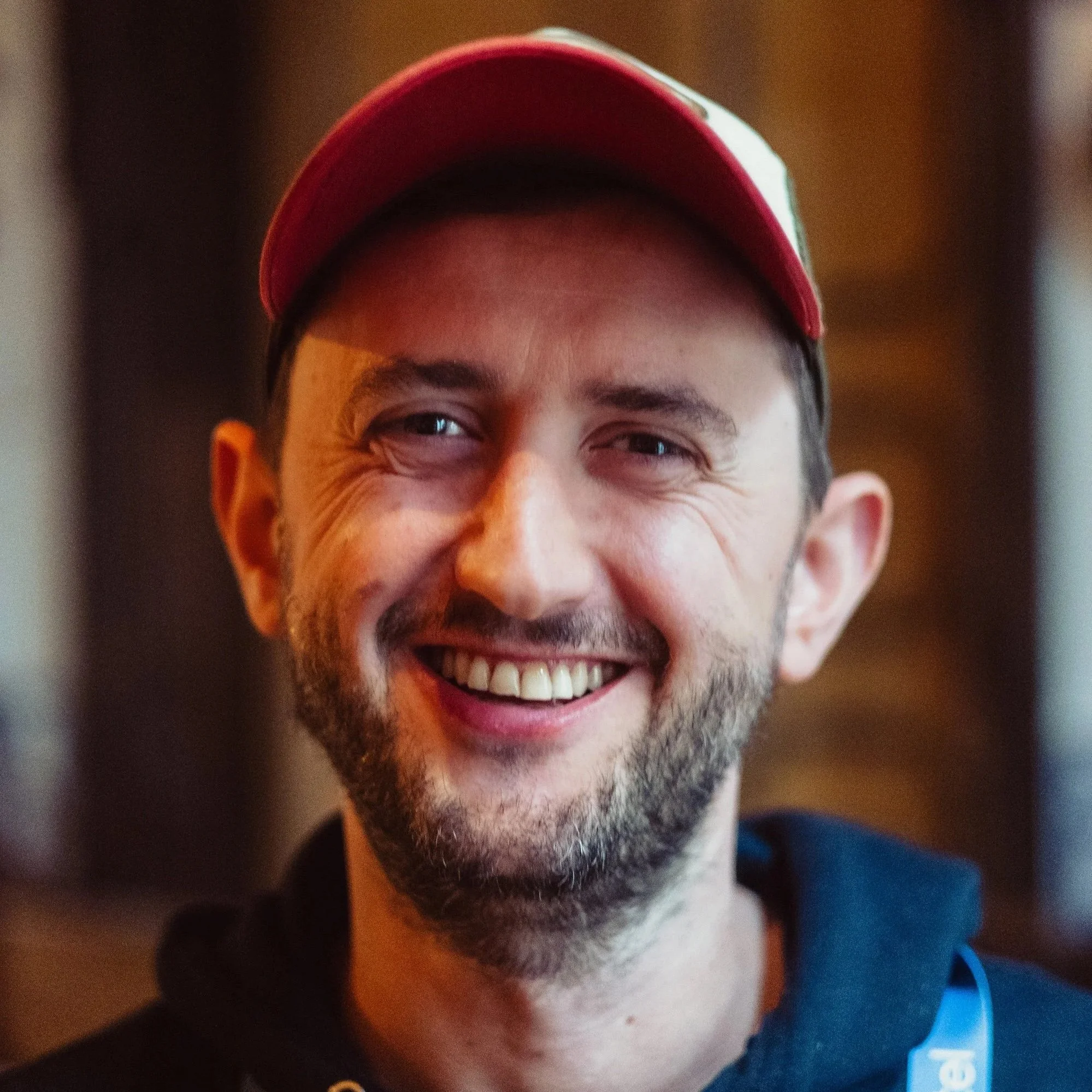
Benni Mack (DE)
TYPO3 Project Lead
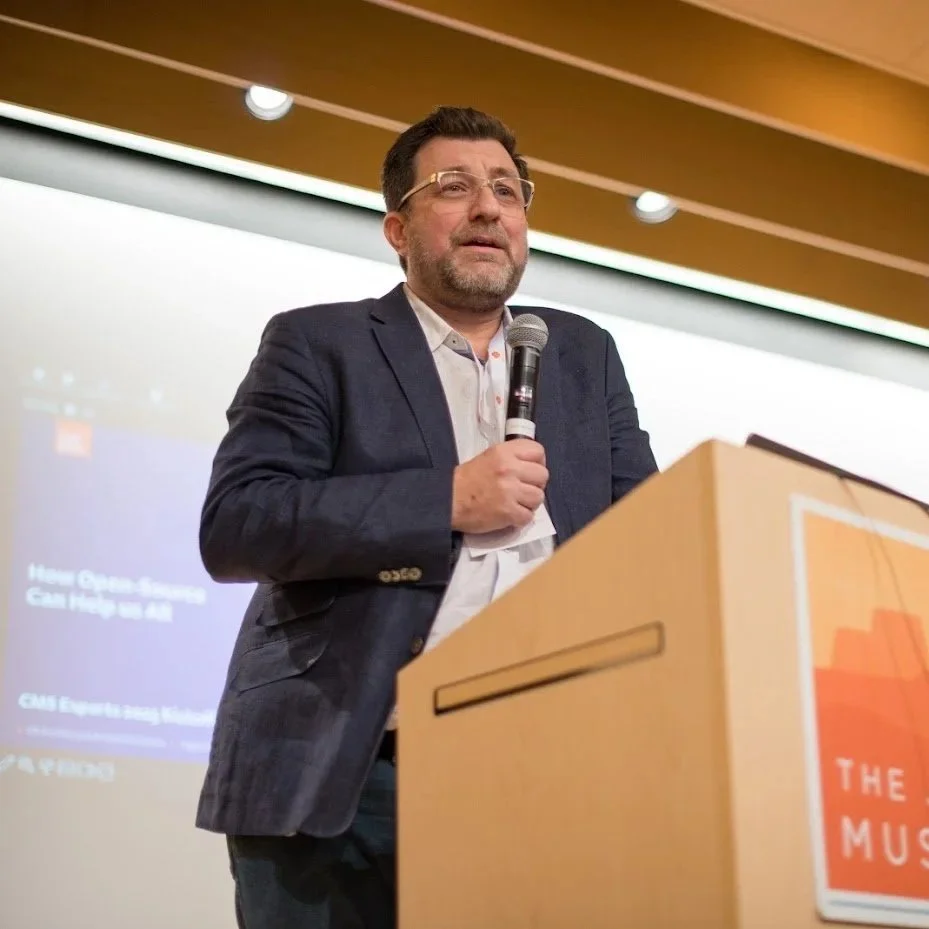
Karim Marucchi (US)
CEO at Crowd Favorite and long-time WordPress contributor

Sigrid Gramlinger-Moser (AT)
Production Department Coordinator at Joomla, (Open Source Matters)
10:40 - 11:00 Learning from the entire open source CMS family
An opportunity for all the other projects in the room to share brief updates, hot takes and emerging perspectives
The AI-Programmable CMS - Webiny
more coming soon
11:00 - 11:30 Coffee & networking
11:30 - 12:30 Breakout sessions - two tracks
Choose your path for this hour. Each track runs three talks, about 20 minutes each, back-to-back before we reconvene.
Track A: Security, regulation & sovereignty
From increased security concerns, via incoming EU regulation to the sovereignty debate, this track covers what compliance and security leaders need to know right now:
Security as the centre of our work - led by Sigrid Gramlinger-Moser (AT).
The Cyber Resilience Act & European Accessibility Act, one year on
Digital sovereignty: Why European institutions choose open source CMS by Mathias Bolt Lesniak (NO)
Track B: Content, building bridges
Real-world lessons on managing content across systems and stakeholders:
Documentation in an open source project by Milana Cap (Serbia)
New directions in content modelling by Marc Salvatierra (US)
When AI replaces clicks: What comes next for CMS? by Danny Liu (NL) at Europol
12:30 - 13:30 Lunch
13:30 - 14:30 Bird of a feathers - roundtables
Come join an hour of informal roundtable discussions to get answers on your specific questions or help others by sharing your expert knowledge.
Tables:
Accessibility
AI governance
CRA compliance
Content engineering towards better GEO led by Rafaela Ellensburg
Contributor funding
Documentation led by Milana Cap
The messy reality of marketing open source CMS led by Alejandro Moreno Lopez (ES), Director at Drupal
Enterprise procurement
14:30 - 15:00 Coffee & networking
15:00 - 16:00 How AI changes the game - comparing approaches
Lightning talks at about 10 minutes each on how AI changes the game for open source CMS
Stop stuffing the prompt: Building AI features that scale past the context window by Sven Al Hamad from Webiny
How AI is reshaping open source CMS communities, creating new opportunities for collaboration while increasing the risk of fragmentation by Andy Adiwidjaja from S2 hub
more coming soon

Who pays for the commons? Funding models compared
16:00 - 16:30
By TBD
More session details coming shortly.
16:30 - 17:00 Coffee & networking
17:00 - 18:00 Live demos
We will end the day with a friendly, fast-moving session celebrating practical work from across the community.
Each demonstration lasts around five minutes, giving us an opportunity to see what technology can actually do and compare different ideas and approaches without the polished sales pitch.
This is not a contest. We want to showcase a varied mix: bold innovations, small features that make a big difference and anything else that looks like genuine progress.
Live demos:
Authoring with AI in SilverStripe by Andy Adiwidjaja
Invisible markup - from unstructured to structured data by Steven Pemberton
more coming soon - get in touch if interested
18:30 - 22:00 Social event
Join us for an informal networking dinner. Everyone is invited!
Venue: Jasmijn & Ik, Kanaalstraat 219 - about 1 minute walk from the venue
Wednesday, October 21
7:00 Morning Run
We meet together for a relaxed 25 minute run.
9:00 - 9:30 Breakfast and networking
Join us early, get the conversation started, reflect on what you’ve already learned and enjoy some freshly brewed coffee and tea.
9:30 - 9:35: Morning welcome
A brief welcome by Janus Boye and main takeaways from Day 1.
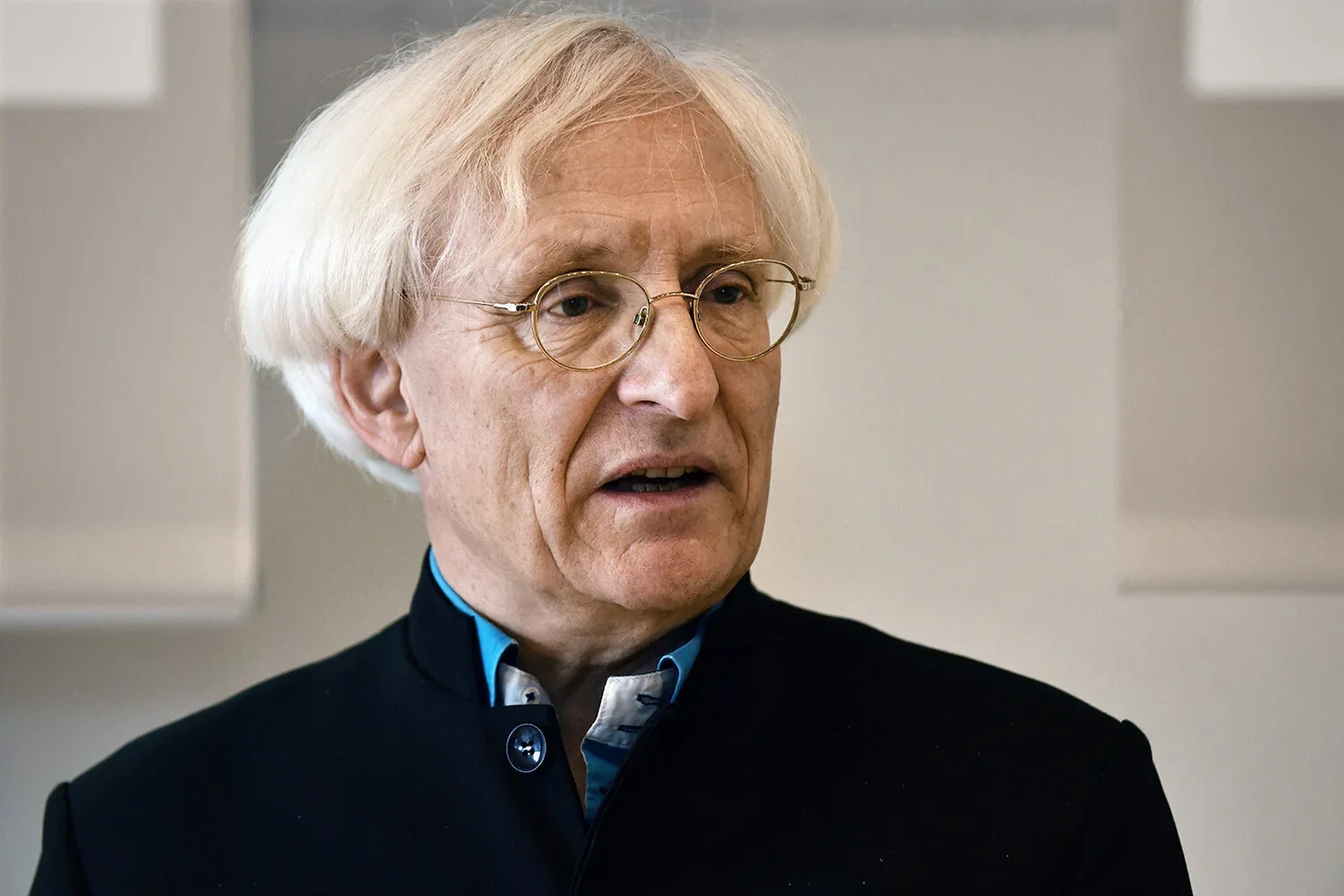
Designing with the future in mind
9:35- 10:05
by Steven Pemberton (NL)
Researcher at CWI, author, public speaker, and broadcaster
Steven helped shape HTML, CSS and several of the standards on which today’s web is built. He has seen both what made the early web durable and how far modern development has moved away from some of those original principles.
Open source gives organisations access to their software, but does it ensure that their websites, content and knowledge will remain usable when platforms, frameworks and suppliers disappear?
Drawing on his work in web standards, human-computer interaction and declarative technologies, Steven will challenge us to think beyond the next release cycle. He will examine what makes digital information durable, where unnecessary complexity and dependency have entered the web, and what open source communities can do about it.
Participants will leave with a sharper way to assess whether the systems they build are genuinely open, portable and designed to last.
Continue the conversation:
Open source gives organisations access to their software. It does not automatically ensure that what they build will last
Contributors: Comparing onboarding and retention models
10:05 - 10:25
by TBD
More session details coming shortly.
Headless, hybrid, or full-stack: Three answers to the same question
10:25 - 10:45
by TBD
More session details coming shortly.
10:45 - 11:15 Coffee & networking
11:15 - 12:00 Breakout sessions - two tracks
Choose your track - same time slot, two different conversations.
Track A: Panel - hosting multi-CMS estates at scale
Hosting and infrastructure CTOs discuss what it actually takes to run and support multiple CMS platforms under one roof
Track B: The platform-neutral agency - advising clients without a horse in the race
Agency CEOs and principals on how to give clients honest, platform-agnostic advice when your business doesn't depend on pushing one CMS over another.
12:00 - 13:30 Lunch
More session details coming shortly.
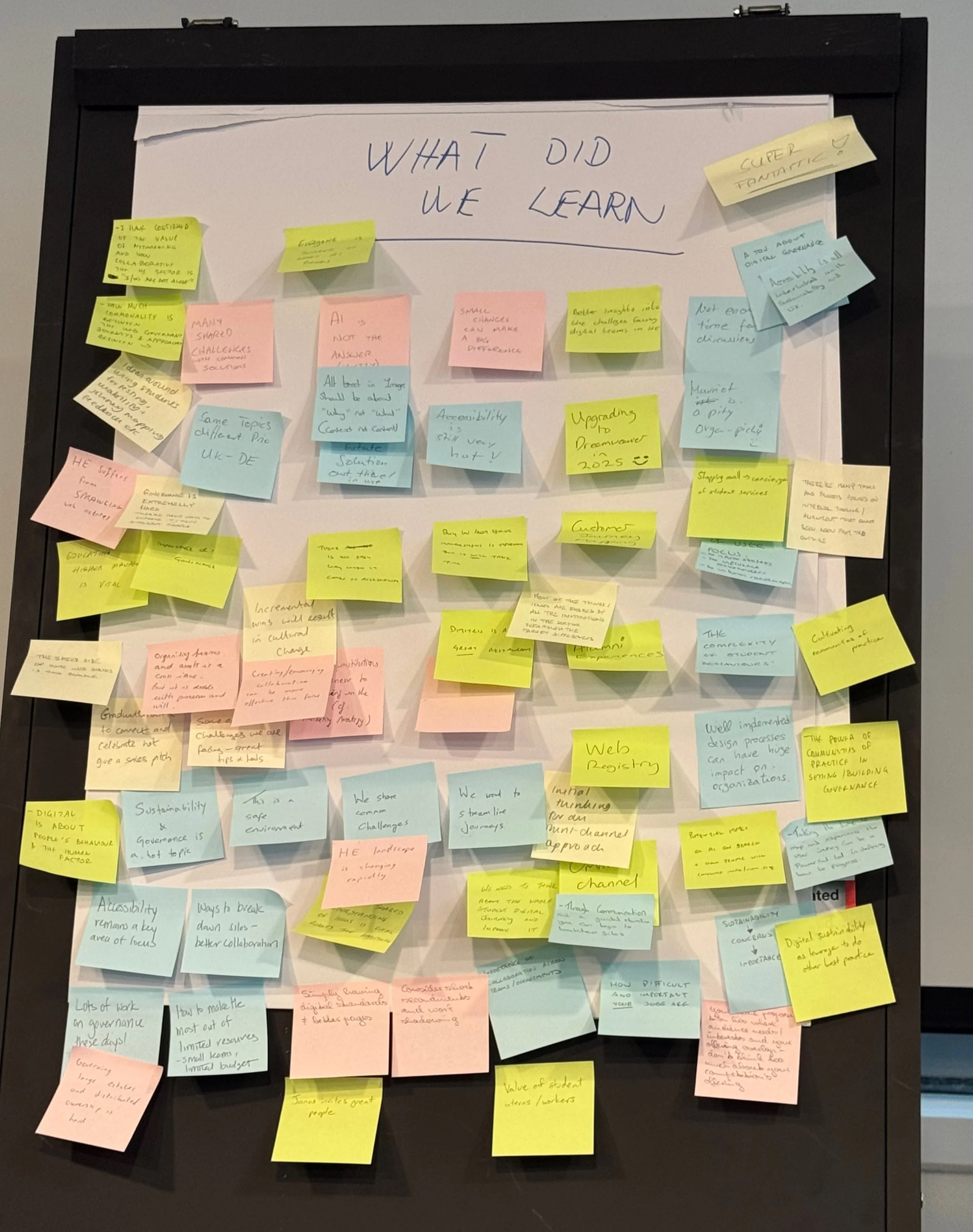
What’s ahead of us? Drafting a shared agenda
14:00 - 14:45
Led by Janus Boye (DK)
Conference chair
For the first time, the leaders of all major open source content management systems are in the same room, alongside agencies, hosts, and practitioners from Europe and North America. This closing session turns two days of conversation into a shared commitment.
Working from the themes that surfaced in the roundtables and lightning tracks, we will draft a short public statement on where the open source CMS projects will act together: security and regulatory readiness on both sides of the Atlantic, from the EU Cyber Resilience Act to emerging US software supply-chain requirements; sustainable funding for the maintainers every organization depends on; accessibility as a global standard rather than a regional obligation; and interoperability between platforms so that content and talent move freely across the ecosystem. Project leads and association representatives will refine the draft live, with input from everyone in the room.
The goal is a one-page document - the "Utrecht Statement" on security, sustainability, and interoperability - signed by the participating projects and published after the conference, sending a clear signal to governments, enterprises, and the wider community worldwide: open source CMS is not a set of competing camps, but a shared, global foundation for the open web.
14.45 - 15:00 Goodbyes and see you next year!
Thanks for joining us. Continue the conversation over a cup of coffee or tea before leaving Utrecht.