
This is a past event.
Join us for HE Connect 27
HE Connect 26 conference programme
Let’s make digital in higher education better
The conference is tailored for digital leaders in higher education and features 2 packed days with a carefully curated mixture of talks, workshops, activities and world class facilitators, thought-provokers, speakers and session leads.
Unlike many other conferences, this one is not about speakers talking endlessly about their own work. Rather than being talked at, this is your conference for active participation and connecting with your peers with the goal to move things forward.
Programme
Tuesday, October 6
7:30 - 8:30: Morning walk
Kick off the conference with a morning walk through Edinburgh's historical landmarks.
We meet on George Street in front The Royal Society of Edinburgh and Stratos Filalithis is our friendly guide.
As he says: Keep to mind that everything in Edinburgh is uphill, so we can’t avoid some incline walking at some point
8:30 - 9:30: Breakfast and registration
Join us early, get the conversation started, make some new friends and enjoy some freshly brewed coffee and tea.
9:30 - 9:45: Welcome & Opening
by our host Janus Boye, Boye & Co

Websites are not forever: what to keep, what to fix, what to retire
9:45 - 10:15
by Stratos Filalithis (UK)
Head of Web Strategy at University of Edinburgh
Universities are good at creating knowledge. Deciding when to stop publishing, maintaining or keeping a website is harder. As AI magnifies existing weaknesses in content and governance, those decisions become more urgent.
As Head of Web Strategy at the University of Edinburgh, Stratos is confronting what happens when a university’s web estate keeps growing without consistent rules for what stays, who takes responsibility and when something should go.
In this opening keynote, he will follow the life of a university website: creation, maintenance and retirement. Drawing on examples and data from Edinburgh’s own web estate, he will share good practice, uncomfortable discoveries and the realities of making change across a large, devolved institution. These include historically valuable websites that need preserving but no longer belong in an active web estate, and the challenge of making governance work beyond a policy document.
Where does growth become a liability? How do you distinguish useful content from an inherited obligation? And what happens when AI meets an estate you already struggle to govern?
You will leave with sharper questions to ask about your own websites, clearer priorities for what to keep, fix or retire, and practical lessons from Edinburgh’s work in progress.
Confessions of a Campaign Page
10:15 - 10:40
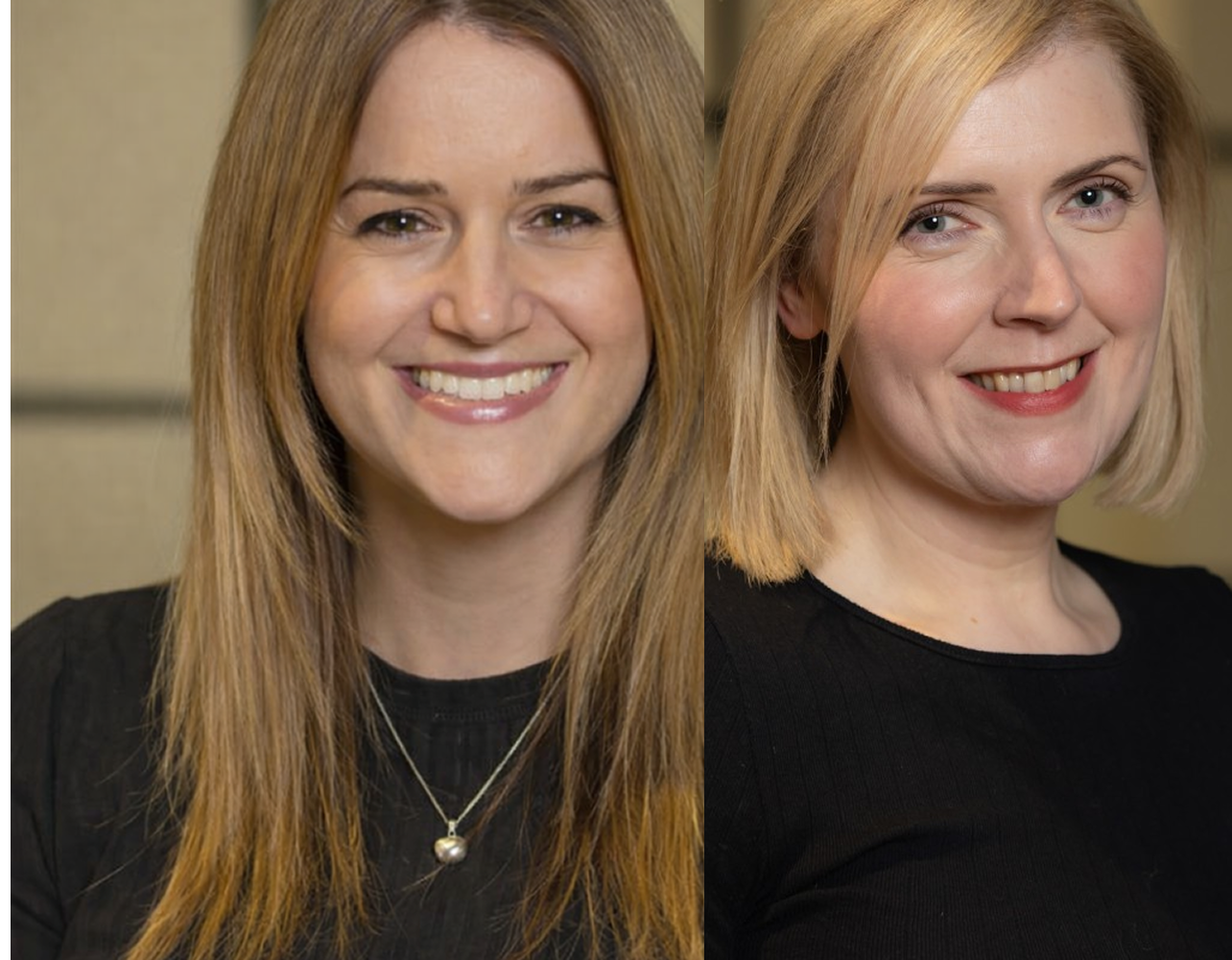
by Gina Adams (UK)
Senior Digital Marketing Manager at University of St Andrews
together with
by Elizabeth Andrews (UK)
Senior Digital Operations Manager at the University of St Andrews
What happens when a prospective student clicks through to your campaign page? Does it deliver on the promise that brought them there, or leave them with more questions?
This peer-learning session brings honest confessions about misaligned expectations, design shortcuts and pages trying to do too much. We’ll compare dedicated campaign pages with traditional university webpages and discuss where combining the two helps or creates confusion.
Bring your own experiences and questions. You’ll leave with practical ideas for spotting gaps in the student journey and making campaign pages work harder for recruitment.

You cannot govern what you cannot engage: working with distributed web editors
10:40 - 11:00
by June Shannon (IE)
Digital Content Creator at University of Limerick
Universities depend on distributed networks of web editors to keep their digital content accurate, accessible and useful. Policies, platforms and training all matter, but governance only works when editors remain informed, supported and engaged.
Drawing on her work at the University of Limerick, June will share how regular updates, targeted guidance, transparent decision-making and two-way feedback can strengthen the relationship between a central digital team and editors across the university.
Using accessibility as a practical example, June will show how communication can turn central requirements into shared editorial practice. You will leave with practical ideas for engaging distributed editors and making web governance work beyond the central team.
11:00 - 11:30 Coffee & networking

Five years to bring order to a sprawling digital estate
11:30 - 12:00
by Johannes Nygaard (DK)
Chief digital advisor
at University of Copenhagen
How do you improve a digital estate when you cannot clearly explain what it contains, why each website exists or where differences are genuinely needed?
Over five years, the University of Copenhagen has worked to bring structure to its sprawling collection of websites while moving from a proprietary platform to the open source CMS TYPO3. The project has involved gaining an overview of the entire estate, grouping sites by purpose, breaking them down into manageable products and deciding what to standardise - and what should remain distinct.
As Chief Digital Advisor, Johannes Nygaard has been closely involved in both the technology transition and the wider organisational transformation. He will share the choices, compromises and lessons behind the project, including how the university is simplifying its estate and making better use of the technology it already has.
The work is becoming even more important as prospective students, search engines and AI systems all need to find and interpret university content. You will leave with practical lessons for modernising technology, reducing complexity and creating a digital estate that is easier to understand, govern and improve.
Making it work: where university digital teams should focus next
12:00 - 12:30
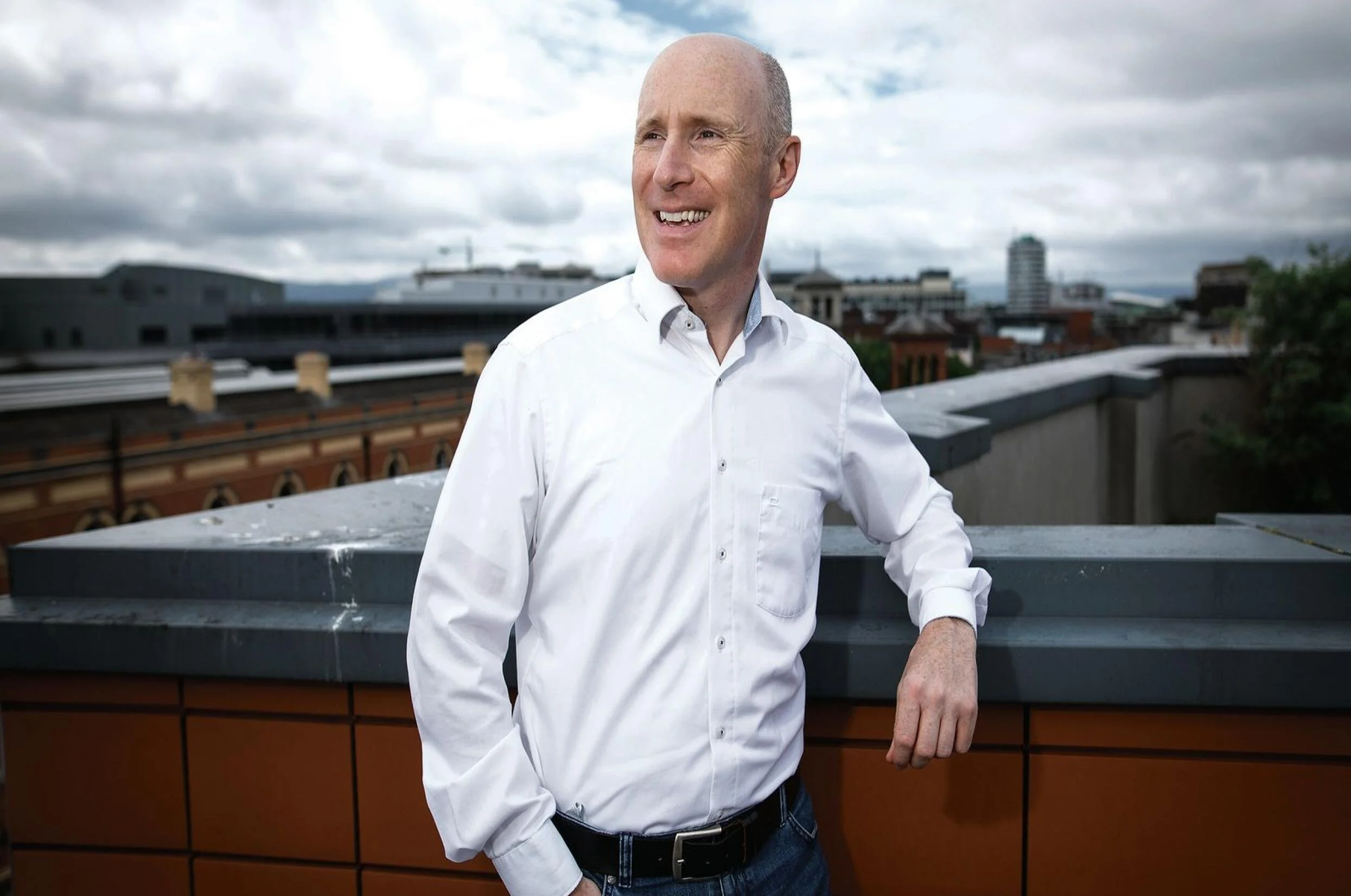
by Piero Tintori (IE)
CEO
at Terminalfour
University digital teams are being asked to improve the student experience, respond to changing search habits and find useful applications for AI. With already stretched teams, which changes deserve attention, and which can wait?
As CEO of Terminalfour, Piero works with universities and colleges worldwide, giving him a broad view of shared challenges and different approaches to solving them. He will draw on that experience to share where he sees progress, what makes it possible and what other teams can realistically apply.
Piero will connect three practical priorities: making course and programme content easier to discover through AI, improving how that content is structured and maintained, and identifying AI tools that help with everyday work. Through examples from higher education, he will examine where better use of existing people, content and platforms can make a meaningful difference, and where further investment is needed.
Expect an honest conversation about making choices when everything seems urgent. You will leave better equipped to identify your next worthwhile improvement, assess where AI can help and decide what to put on hold.
12:30 - 1:30 Lunch
1:30 - 2:30 Roundtables
Come join 2 x 25 minutes of informal roundtable discussions to get answers on your specific questions or help others by sharing your expert knowledge.
Each table has no more than 10 attendees and is assigned a specific topic and moderator.
First come first served: you don’t get to see who’s at the table until you get there.
After the initial 25 minutes are up, you get to pick another table for the next 25 minutes of discussion.
Tables:
Content modelling as we move from pages to experiences with Markus Schork
Making campaigns work with Peter Dahlstrøm from Boye & Company
Progress with getting found in AI answer engines (AEO, GEO, SEO) with Johannes Nygaard from University of Copenhagen.
Rethinking the intranet through the employee experience with Samantha Fanning from UCL
The AI pilots that quietly died with Piyush Poddar from Axelerant
2:30 - 3:00 Coffee & networking

Beyond recruitment: using content, video and personalisation to build lasting university relationships
3:00 - 3:45
by Lucía Tornero González (ES)
Director of Communications and Institutional Relations at Universidad Pontificia Comillas
University communications cannot stop once a prospective student enrols. The challenge is to build relationships that continue through university life, into alumni engagement and across the wider university community.
Drawing on her work at Universidad Pontificia Comillas in Madrid, Lucía will explore how content, video and personalisation can support these different relationships without creating fragmented experiences.
You will leave with practical ideas for making communications more relevant at each stage while maintaining a coherent institutional voice.
Continue the conversation:
What happens after a university successfully recruits a student?
If everyone has AI, what makes you different?
3:45 - 4:30
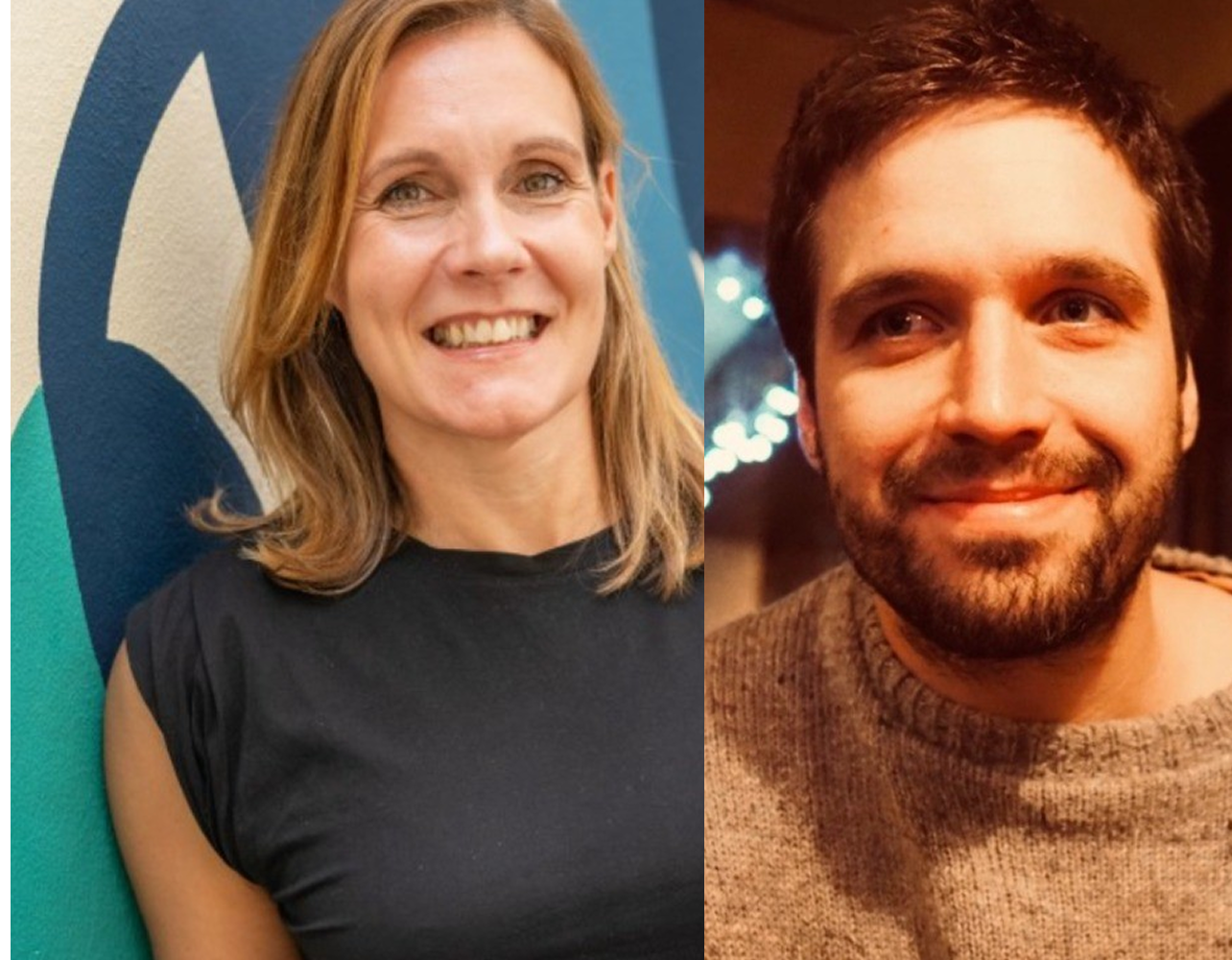
by Helen Robertson (UK)
Managing Director at Gain
and
by David Jones (UK)
Principal Strategy Consultant at Gain
As AI reshapes how prospective students search, compare and choose universities, what makes yours stand out? When institutions have access to similar tools, the answer may lie in how clearly they express who they are, and whether the student experience lives up to that promise.
Helen Robertson and David Jones, Principal Strategy Consultant at GAIN, will explore how people, brand and connected teams shape the student choice journey. From the first search to conversations with staff and students, they will consider what makes an institution distinctive, where organisational silos weaken that promise, and how teams can work together to create a more coherent experience.
Expect an interactive discussion with some uncomfortable questions. You will leave with a sharper way to assess what makes your institution distinctive, where the promise and the experience diverge, and whose perspective could help you bring them closer together.
4:30 - 5:00 Coffee & networking
5:00 - 6:00 Lightning Talks
As the name suggests, lightning talks give speakers a limited amount of time to make their presentation – around 10 minutes. They may or may not include slides.
Because lightning talks are brief, it requires the speaker to make their point clearly and rid the presentation of non-critical information. This, in turn, helps keep the attention of the audience. It also means many ideas can be presented in a short amount of time.
Talks:
A story about setting my dog on fire by Tom Noble-Sabokbar (UK) at Squiz
Beyond the University Website - Digital Shifts Redefining the Future by Jens Krumm (DE) at +Pluswerk (download slides)
Debunking headless myths by William Borg Barthet (UK) at Bloomreach
How we did AI PDF remediation at the University of Washhington by Gavin Colborne (UK) at Little Forest
Structured content, yes, but where do I start? by Paola Roccuzzo (UK) at Foolproof
What students are actually asking their Universities by Frederik Ebbesen (DK) at Cludo
Ask your data. Get one answer by Gonzalo Villar (ES) at Secouyas
How did the Romans deal with the those living outside the walls by Ant Miller (UK) at Human Made
6:30 - 10:00 Social event
Join us for an informal networking dinner.
A taste of Spain in Edinburgh; Café Andaluz is part of a family-run Scottish restaurant group, bringing people together over Spanish tapas in colourful, welcoming surroundings.
Everyone is welcome - the restaurant is a short walk from the conference venue.
Address: 77B George Street, Edinburgh
Wednesday, October 7
7:00 Morning Run
We meet together for a relaxed 25 minute run.
Join us on George Street in front The Royal Society of Edinburgh
8:30 - 9:30 Breakfast and networking
Join us early, get the conversation started, reflect on what you’ve already learned and enjoy some freshly brewed coffee and tea.
9:30 - 9:45 Morning welcome
A brief welcome by Janus Boye and perhaps a bonus lightning talk.
One ecosystem, many teams: aligning digital delivery at UCL
9:45 - 10:15
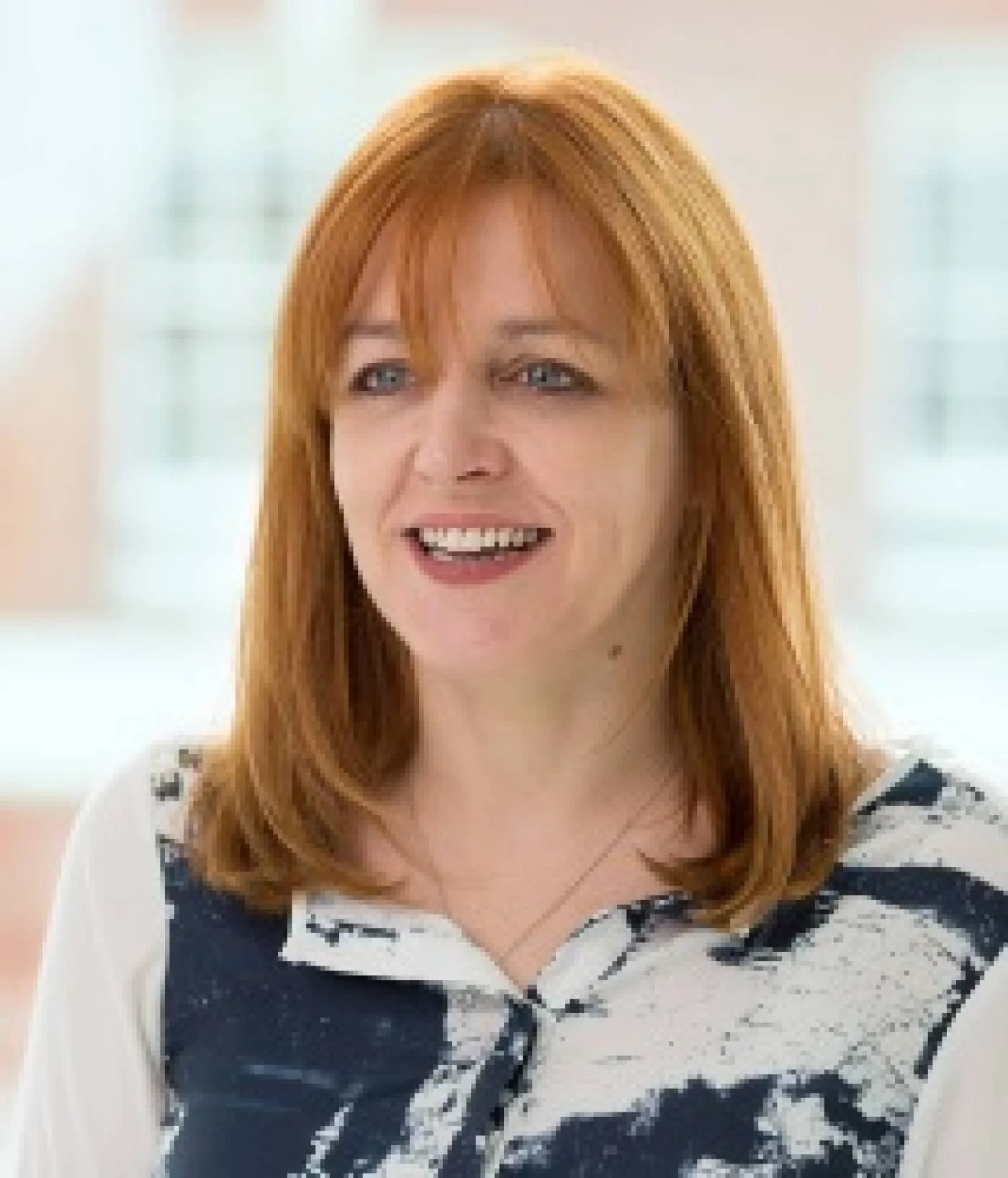
by Samantha Fanning (UK)
Director of Digital Experience at UCL
UCL is moving from improving Inside UCL to creating a broader digital employee ecosystem. Delivering that ambition requires more than new platforms. It means aligning teams, responsibilities and ways of working across a large, devolved university.
Samantha Fanning will share how UCL is reorganising its delivery teams around three connected digital spaces, while building on work already completed through its composable architecture and design system. Rather than presenting a finished transformation, she will offer an honest account of work in progress: how UCL is joining the dots between existing foundations, new teams and a shared institutional ambition.
Participants will hear what UCL is learning about creating alignment without removing local ownership, and leave with practical questions for organising digital delivery across their own complex institutions.
Continue the conversation:
How do you create one digital experience when responsibility sits across many teams?
From data chaos to digital confidence: making marketing and IT work together
10:15- 10:45
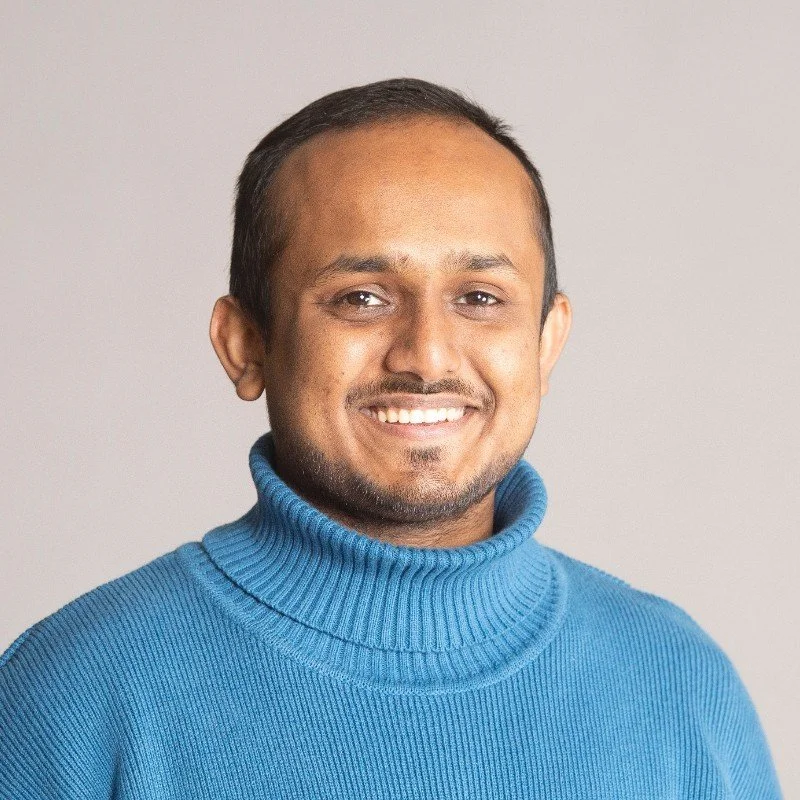
by Syed Nazmus Sadat (UK)
Former Web & Data Analytics Executive at Edinburgh Napier University
University websites depend on several teams working together. Marketers need campaigns they can measure, content editors need freedom to publish, and developers need to keep everything working. When those responsibilities become disconnected, a small website change can break tracking, duplicate reporting or leave gaps in the data used to make decisions.
As a former Web Analytics Executive at Edinburgh Napier University, Syed has worked across these boundaries with limited resources. He will share how he helped marketing and IT teams find common ground through three practical changes:
Bringing dozens of team-specific dashboards into one shared report.
Building a browser extension that shows marketers, in plain language, what is being tracked before a campaign goes live.
Creating a tracking register with clear instructions for marketers and developers, helping routine website changes stop breaking measurement.
Alongside the tools, Syed will share how he made responsibilities clearer and helped colleagues with different priorities work together.
You will leave with practical ideas for reducing reporting overhead, spotting tracking problems before they undermine your reporting, and improving collaboration between the people who publish, promote and maintain your website.
10:45 - 11:00 Coffee & networking
Why Is Digital So Hard?
11:00 - 12:00
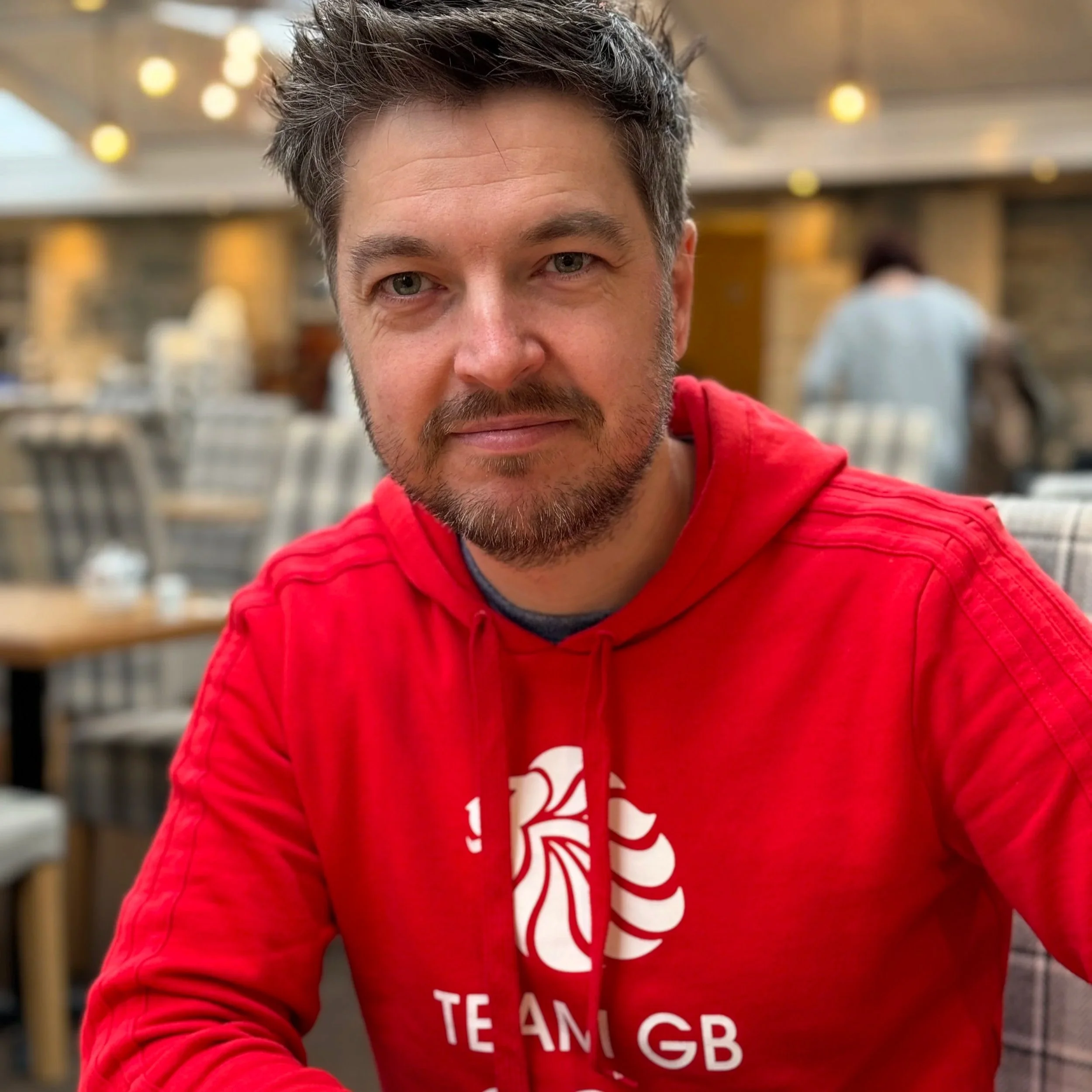
A workshop by Kris Purdy (UK)
Head of Digital Experience
at University of Glasgow
Digital feels like it should be a solved problem. It’s been happening for more than 30 years. So why do organisations still find it such a challenge to deliver great digital experiences?
The problem is rarely the technology. It’s how the organisation is set up for digital success: who owns the experience; how decisions get made; where capacity goes; and how work actually gets delivered.
This is an active working session. In groups, we’ll tackle messy, real-world problems and decide what to change, what to prioritise and what to leave alone. You’ll leave with a way of thinking you can put to work in your own organisation.
Better digital doesn’t start with better technology. It starts with designing the organisation to make it work.
From fragmented course pages to one student journey
12:00 - 12:30
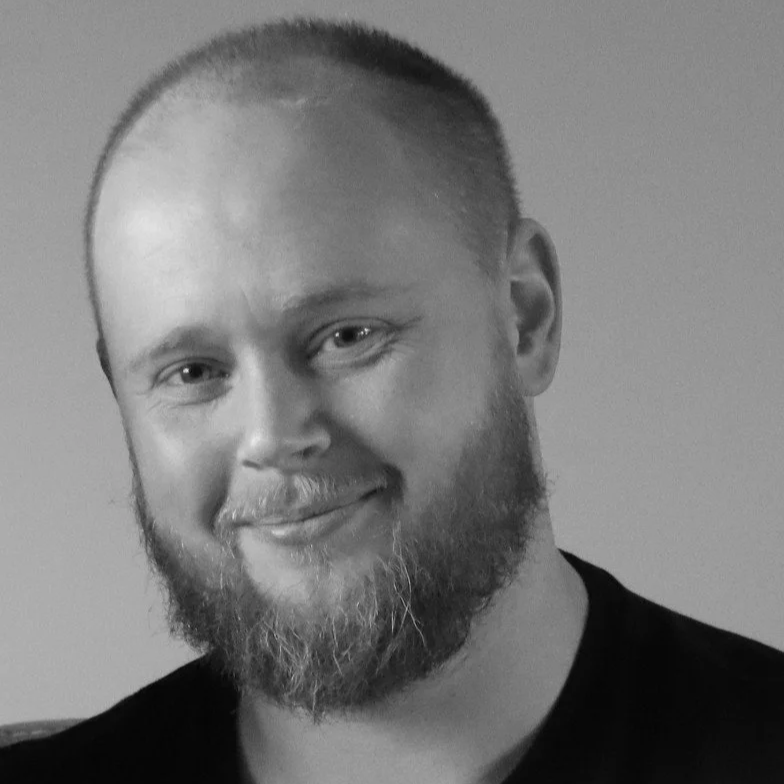
by Paul Leigh (IE)
Digital Content Strategist at University of Limerick
The University of Limerick’s course pages had grown around internal structures rather than the needs of prospective students. Undergraduate and postgraduate courses looked different, lived on separate content types and created an inconsistent journey through one of the university’s most important digital experiences.
A major redesign offered the opportunity to rethink the entire journey. Guided by UX research, the team created course pages around what prospective students actually need, merged two content types into one and brought all recruitment information together at ul.ie/study.
They also introduced faceted course search, browsing by area of interest and side-by-side course comparison.
This session will share the research, decisions and practical challenges behind the redesign. You will leave with ideas for simplifying complex course information, overcoming organisational fragmentation and creating a more coherent journey for prospective students.
12:30 - 1:30 Lunch

What is a university’s product, and who owns the experience?
1:30 - 2:00
by Sarah Tan (UK)
Head of Product at The London School of Economics and Political Science
A degree, a support service, an app: each delivers something useful. Yet none captures the whole experience of joining a university, finding your place and staying connected. What changes when we treat that experience as the product we are responsible for improving?
Sarah will challenge how we define products in higher education, looking beyond individual journeys and touchpoints to the experience they create together. She will consider what universities can learn from approaches to onboarding, community and loyalty elsewhere, while recognising what makes first-year life, residences and alumni relationships distinctive.
This also raises a question about responsibility. If many teams shape the experience, who needs to contribute to understanding and improving it?
You will leave with fresh questions to test how your team defines its products, where responsibilities leave gaps, and who needs to be involved to make the whole experience work.
What’s ahead of us?
2:00 - 2:45
Led by Janus Boye (DK)
Conference chair
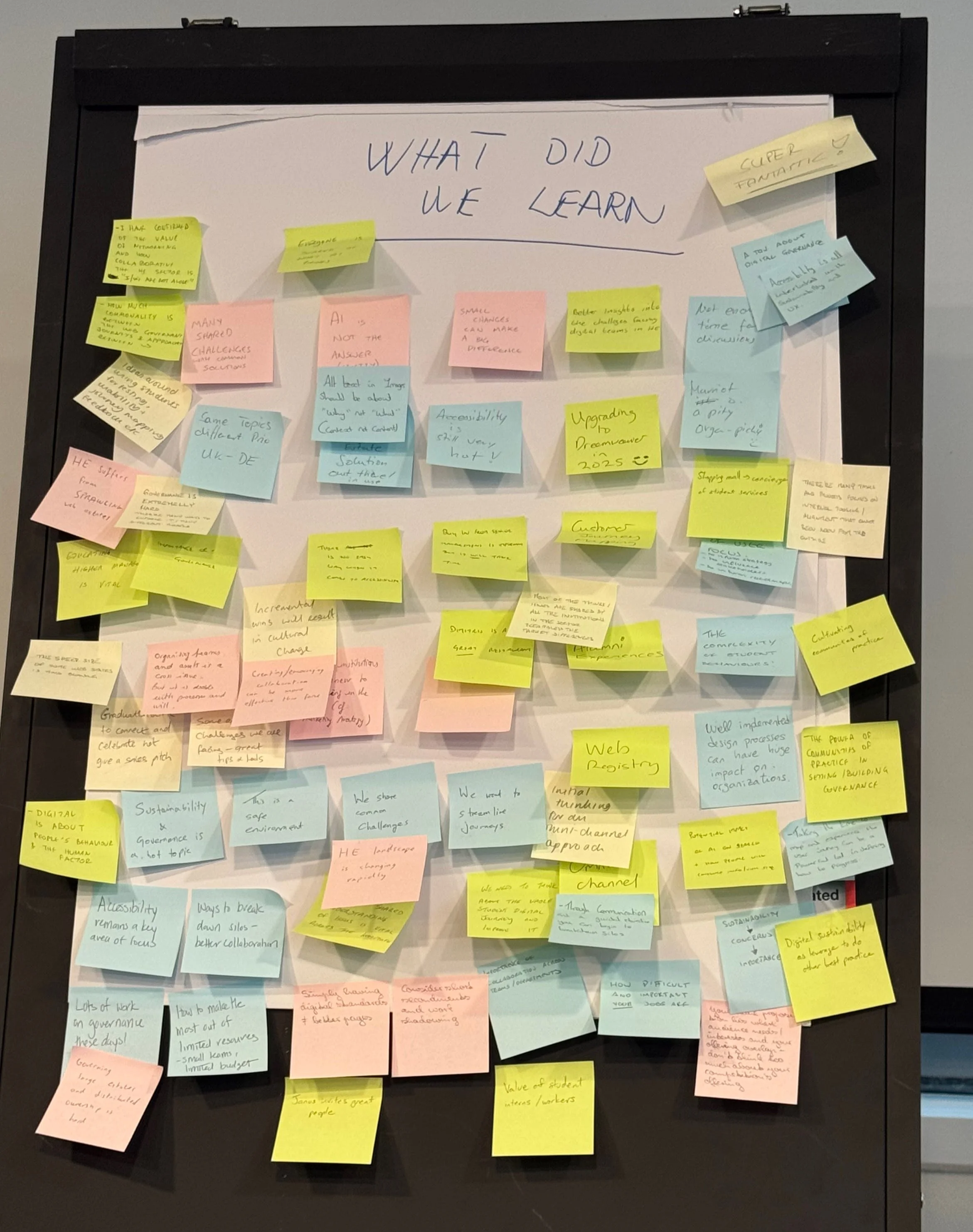
A brief interactive wrap-up of the two days. Join us for key lessons learned, big questions for 2026, perhaps a few answers and what happens next.
2:45 - 3:00 Goodbyes and see you next year!
Thanks for joining us. Continue the conversation over a cup of coffee or tea before leaving Edinburgh.